When America Ate Whenever It Wanted
Before factories ruled American life, people ate when they were hungry. Farmers grabbed food between chores, craftsmen snacked while working, and families gathered for meals when it made sense for their schedules. The idea of an entire nation stopping to eat at exactly 12:00 PM would have seemed absurd.
Then came the Industrial Revolution, and everything changed — including your stomach.
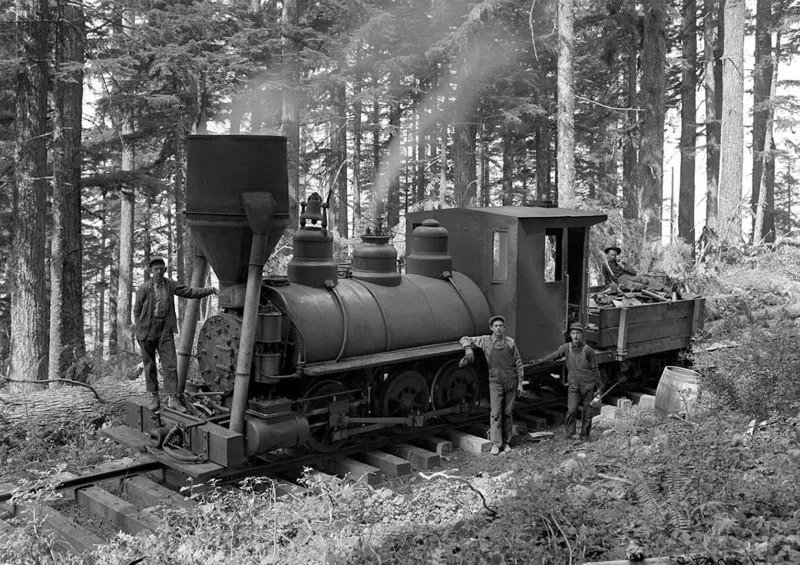
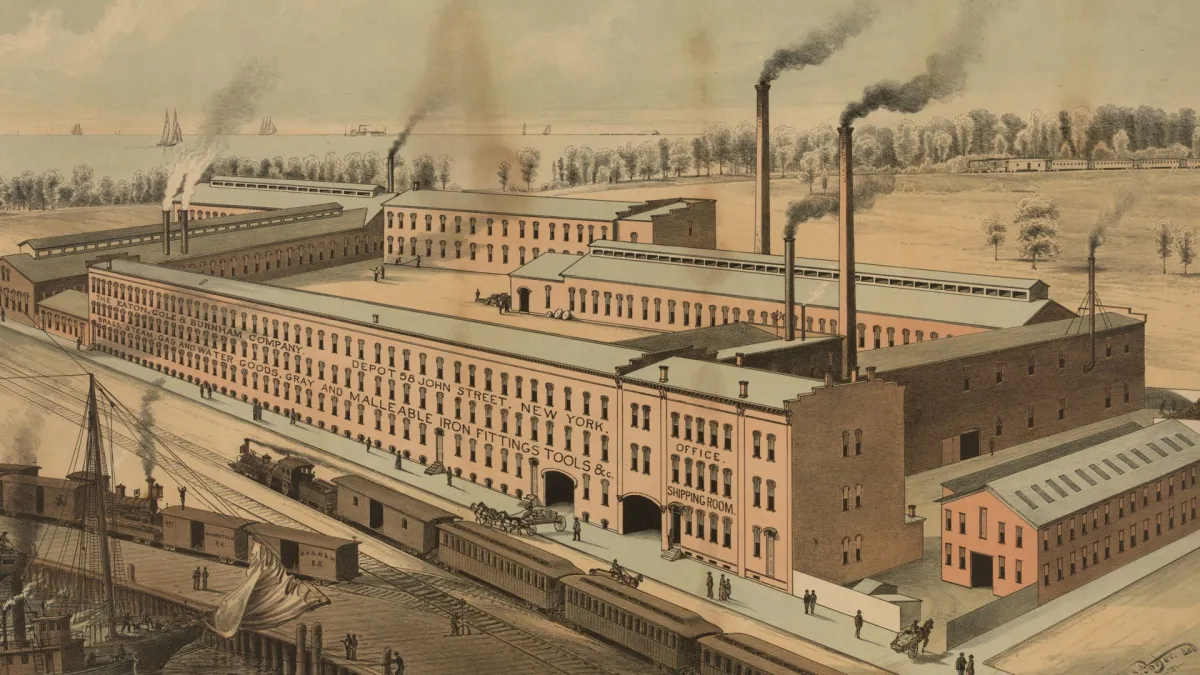 Photo: Industrial Revolution, via cdn.britannica.com
The Machine That Demanded Schedule
In the 1880s, massive factories began dominating American cities. These weren't small workshops where a craftsman could pause for a bite when hungry. They were complex operations with steam-powered machinery, assembly lines, and hundreds of workers whose tasks had to be perfectly coordinated.
Factory owners faced a logistical nightmare: how do you keep production running when workers need to eat? Early attempts were chaotic. Some workers ate at their stations, slowing production. Others wandered off at random times, leaving machines idle and disrupting the workflow.
The solution wasn't designed around human needs — it was engineered around mechanical efficiency.
The Whistle That Rewired America
Factory managers solved their coordination problem with a simple tool: the lunch whistle. At exactly noon, a loud blast would signal that half the workforce could stop for thirty minutes while the other half kept machines running. Then they'd switch.
This wasn't about worker comfort or biological hunger cycles. It was pure industrial logistics. Machines couldn't be left unattended, but workers needed fuel to maintain productivity. The lunch break was the compromise that kept both humans and machinery functioning.
Within decades, this factory-driven schedule had spread far beyond manufacturing. Office buildings adopted the same noon break to coordinate with factory schedules. Government buildings followed suit. Schools implemented lunch periods to prepare children for industrial work routines.
The Accidental Food Revolution
The standardized lunch hour created an unexpected business opportunity. Suddenly, thousands of workers in every industrial city needed food at exactly the same time, in the same place, for the same duration.
Entrepreneurs rushed to fill this manufactured demand. Lunch wagons appeared outside factory gates. Quick-service restaurants opened near industrial districts. The diner industry exploded, designed specifically around the thirty-minute factory lunch break.
Food had to be fast, portable, and cheap enough for industrial wages. This drove innovations in food preparation, packaging, and service that would eventually reshape all of American dining. The sandwich became king because it could be eaten quickly with one hand. Coffee became essential because it provided energy for afternoon shifts.
From Factory Floor to Corner Office
As America transitioned from an industrial to a service economy, the lunch break evolved but never disappeared. Office workers inherited the same noon schedule that had been designed for factory machinery. Even as work became more flexible and less tied to physical equipment, the lunch hour remained locked in place.
The rise of fast food in the 1950s and 1960s was directly tied to this industrial eating schedule. McDonald's, Burger King, and other chains built their entire business model around serving quick meals to workers who had exactly thirty to sixty minutes to eat before returning to their jobs.
The Biological Hijacking
Here's the remarkable part: after generations of eating on factory schedules, Americans' bodies adapted. Most people today feel hungry around noon not because their biology demands it, but because their grandparents and great-grandparents were conditioned by factory whistles.
Studies show that hunger patterns vary dramatically across cultures with different work schedules. In Spain, where lunch traditionally happens around 2:00 PM, people feel hungry later. In countries without industrialized lunch breaks, eating patterns remain more flexible and individualized.
Americans have essentially trained their stomachs to expect food when 19th-century factory managers decided it was convenient for machinery maintenance.
The Schedule That Outlived Its Purpose
Today, most Americans work in jobs that have nothing to do with steam-powered machinery or assembly lines. Many work from home, set their own schedules, or have flexible hours. Yet the noon lunch break persists, even when it makes no practical sense.
Restaurants still plan their staffing around the lunch rush. Schools still structure their days around a midday meal break. Office buildings still empty out between 12:00 and 1:00 PM, just like they did when everyone worked in factories.
The lunch break has become so embedded in American culture that questioning it seems absurd. But it's worth remembering that this "natural" eating pattern was actually engineered by industrial managers who cared more about machine efficiency than human hunger.
The Legacy of the Lunch Whistle
The next time you feel hungry at noon, remember that you're experiencing the echo of a factory whistle from 150 years ago. Your appetite isn't following ancient biological rhythms — it's following a schedule designed to keep steam engines running smoothly.
The lunch break represents something uniquely American: how industrial innovation accidentally became cultural tradition. What started as a mechanical necessity became a social institution, proving that sometimes the most powerful changes in human behavior come not from grand social movements, but from the practical demands of keeping machines humming.