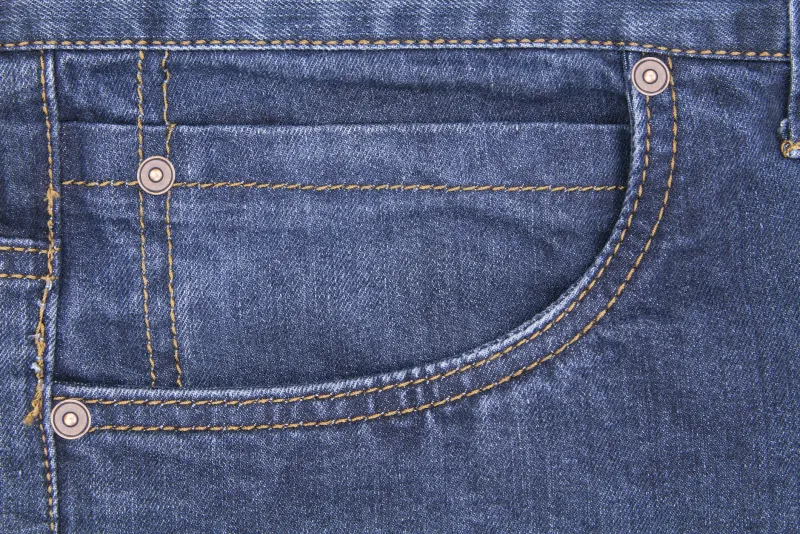
The Tailor's Dilemma
In 1872, Jacob Davis faced a problem that would accidentally change the world. The Reno tailor was constantly repairing torn work pants for Nevada miners and railroad workers. No matter how well he stitched the pockets and stress points, the heavy use would inevitably tear the fabric apart. His customers were frustrated, and Davis was tired of doing the same repairs over and over again.
 Photo: Jacob Davis, via www.pnnl.gov
Davis had been buying denim fabric from Levi Strauss & Co. in San Francisco, but the relationship was purely transactional—Strauss supplied material, Davis made clothes. Neither man knew they were about to create the most enduring piece of American fashion ever produced.
 Photo: Levi Strauss, via www.levistrauss.com
The Metal Solution
The breakthrough came when Davis decided to reinforce the stress points of work pants with metal rivets, similar to those used in horse blankets and tents. He placed rivets at the corners of pockets and the base of the button fly—the spots where pants typically tore first. The result was nearly indestructible work wear that could withstand the brutal demands of manual labor.
Word spread quickly through Nevada's mining camps. Workers who had been replacing their pants every few weeks suddenly owned trousers that lasted months. Davis's rivet innovation was so effective that he couldn't keep up with demand. But there was one major problem: he didn't have the $68 needed to file for a patent.
An Unlikely Partnership
Facing the possibility that competitors would steal his innovation, Davis wrote to his fabric supplier with an unusual proposition. In a letter dated July 2, 1872, Davis explained his rivet process to Levi Strauss and suggested they apply for the patent together. Strauss would cover the filing fee in exchange for shared ownership of what would become U.S. Patent No. 139,121.
Strauss, recognizing the commercial potential, agreed immediately. The partnership was formalized on May 20, 1873—a date that Levi Strauss & Co. still celebrates as the "birthday" of blue jeans. But the real invention belonged to Jacob Davis, whose name appears first on the patent application.
From Workwear to Worldwide
The original "waist overalls," as they were called, were designed specifically for physical laborers. The indigo-dyed denim was practical—it hid dirt and wore well—while the riveted construction solved the durability problem that had plagued work pants for decades. At $1.46 per pair, they cost more than regular pants but lasted far longer.
For the first 80 years, jeans remained primarily workwear. Cowboys, miners, railroad workers, and farmers wore them, but they were considered too rough for polite society. Many restaurants, theaters, and schools banned jeans as inappropriate attire. The garment that would eventually symbolize American casual style was once deemed too crude for public spaces.
Hollywood Changes Everything
The transformation began in the 1930s when Western movies introduced jeans to mainstream America as cowboy attire. Suddenly, the same pants worn by ranch hands became associated with rugged individualism and frontier spirit. Movie stars like John Wayne made jeans seem adventurous rather than merely practical.
The real revolution came in the 1950s when rebels like James Dean and Marlon Brando wore jeans as symbols of youth rebellion. What had been humble work clothes became statements of nonconformity. Parents and school administrators who banned jeans only made them more appealing to teenagers determined to reject conventional dress codes.
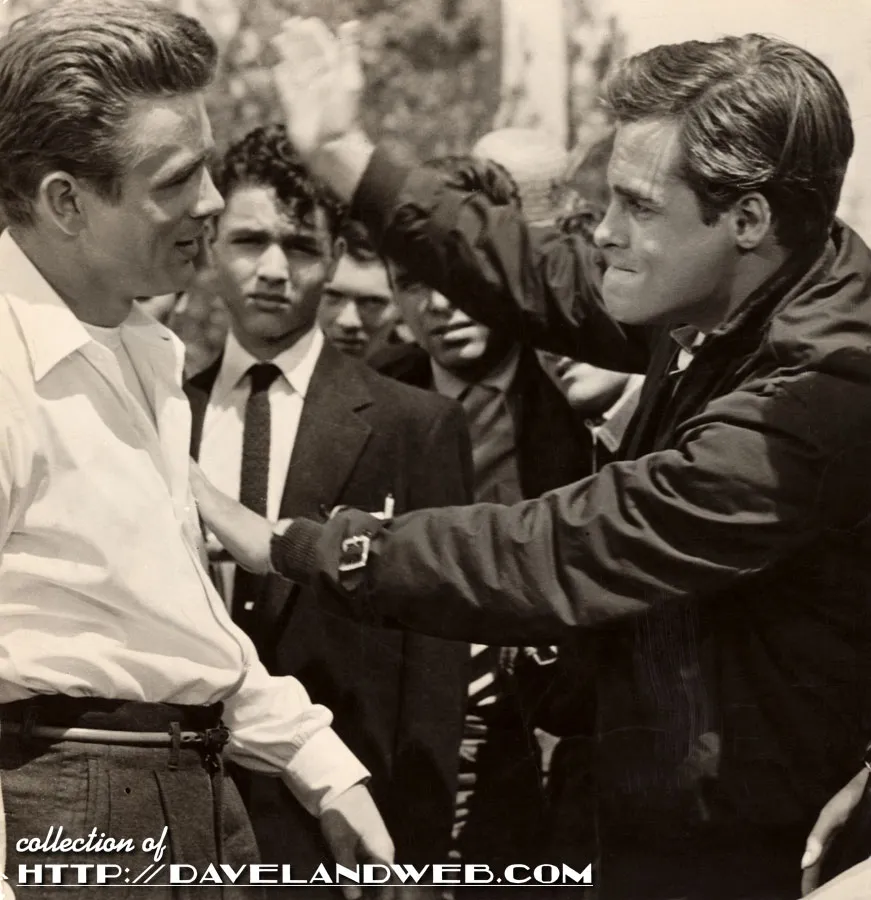 Photo: James Dean, via www.davelandweb.com
The Global Takeover
By the 1960s, jeans had transcended their working-class origins to become symbols of American democracy and freedom. International students and young people adopted jeans as uniforms of rebellion against traditional authority. In some countries, jeans were banned or restricted, which only increased their appeal as symbols of Western liberty.
The irony is profound: a garment designed for California gold miners became the world's most recognizable symbol of American culture. Today, jeans are worn by billionaires and construction workers alike, in corporate boardrooms and concert halls, across every continent and social class.
The Forgotten Inventor
While Levi Strauss became a household name, Jacob Davis remained largely forgotten by history. The Latvian immigrant who actually invented the riveting process that made jeans possible died in relative obscurity in 1908. His crucial contribution to American fashion history was overshadowed by his business partner's superior marketing and distribution network.
The story of jeans reveals how innovation often emerges from practical problems rather than grand visions. Davis wasn't trying to create a fashion revolution—he just wanted to stop repairing torn pants. His simple solution to a daily annoyance became the foundation for one of the world's largest industries, proving that sometimes the most transformative inventions come from the most mundane frustrations.