The Problem That No Longer Exists
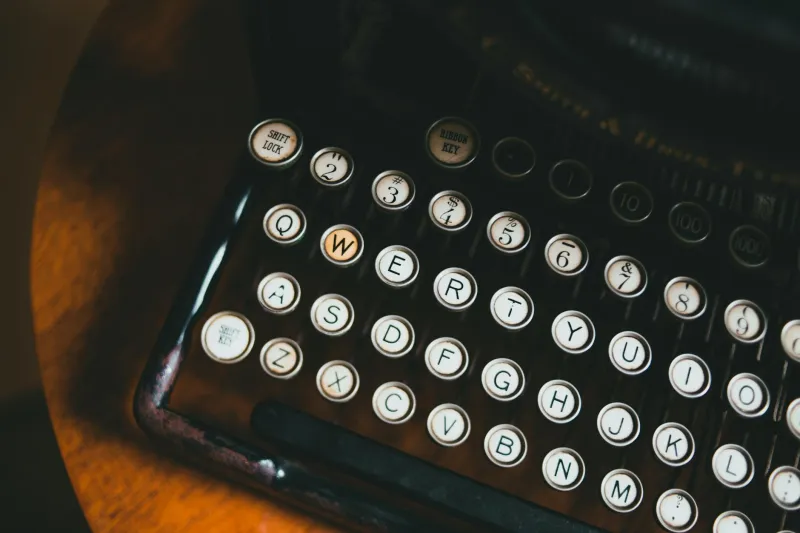
Every day, millions of Americans tap out messages on keyboards specifically designed to make them type slower. They do this on devices that have never had the mechanical problems the keyboard layout was created to solve. This is the strange persistence of QWERTY — a solution to a problem that disappeared decades ago.
In 1873, Christopher Latham Sholes faced a crisis with his latest typewriter prototype. When skilled operators typed quickly, the metal typebars would swing forward simultaneously and jam together in a tangled mess. Fast typing was literally breaking his machine.
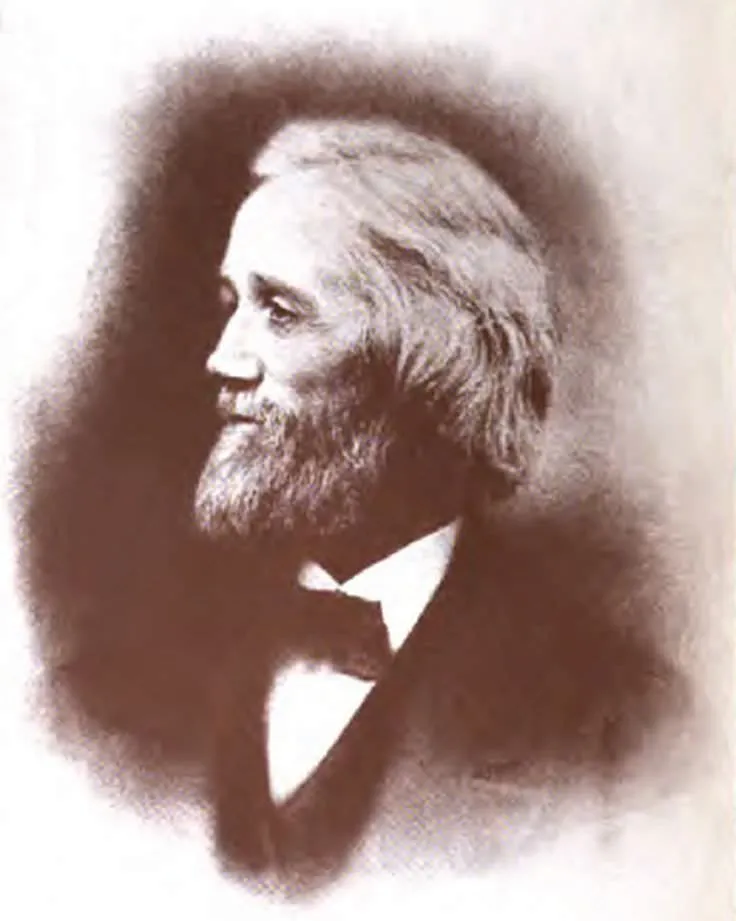 Photo: Christopher Latham Sholes, via www.thefamousbirthdays.com
Sholes needed to slow people down without making his typewriter seem inferior to competitors. His solution was ingenious and devious: he would rearrange the letters to make rapid typing physically impossible.
The Deliberate Sabotage of Speed
Sholes studied which letter combinations appeared most frequently in English and then deliberately separated them on the keyboard. Common pairs like "TH" and "ER" were placed far apart, forcing typists to use different fingers and preventing the rapid-fire sequences that caused mechanical jams.
He scattered the letters of "TYPEWRITER" across the top row — not for convenience, but so salesmen could quickly peck out the machine's name during demonstrations without jamming the keys. The layout prioritized mechanical reliability over human efficiency.
The arrangement that emerged — QWERTY, named for the first six letters on the top row — was a masterpiece of intentional inefficiency. It worked perfectly: typists were forced to slow down, and the mechanical jams virtually disappeared.
The Superior Layout That Lost
By the 1930s, a University of Washington professor named August Dvorak had scientifically analyzed typing patterns and created a vastly superior keyboard layout. The Dvorak keyboard placed the most common letters under the strongest fingers and arranged frequent letter combinations to create a natural rhythm for fast typing.
 Photo: University of Washington, via mir-s3-cdn-cf.behance.net
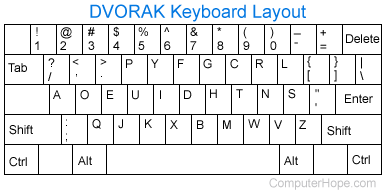 Photo: August Dvorak, via www.computerhope.com
Studies consistently showed that Dvorak typists were faster, made fewer errors, and experienced less fatigue than QWERTY users. The U.S. Navy conducted extensive tests and found that switching to Dvorak increased typing speed by an average of 74% while reducing errors by 68%.
During World War II, the Navy actually retrained typists on Dvorak keyboards and saw such dramatic improvements that they considered making it the military standard. But by then, QWERTY had already won a different kind of war.
The Network Effect That Locked in Inefficiency
QWERTY's survival had nothing to do with its quality and everything to do with momentum. By the early 1900s, millions of Americans had learned to type on QWERTY keyboards. Secretarial schools taught QWERTY. Businesses used QWERTY. Switching would require retraining an entire workforce.
Typewriter manufacturers faced a classic network effect problem: why build Dvorak keyboards when no one knew how to use them? Why learn Dvorak when no keyboards supported it? QWERTY had become the standard not because it was good, but because it was everywhere.
When electric typewriters eliminated the jamming problem that QWERTY was designed to solve, the layout should have disappeared. Instead, it became more entrenched. IBM, Underwood, and other manufacturers kept using QWERTY because switching would have required massive retraining programs that no single company wanted to fund.
The Digital Age Doubles Down on Obsolescence
The personal computer revolution offered a perfect opportunity to abandon QWERTY. Early computers had no mechanical constraints — they could display any keyboard layout instantly. Programmers could have easily made Dvorak the default, giving millions of new users a superior typing experience.
Instead, computer manufacturers chose familiarity over efficiency. IBM designed its PC keyboard to match existing typewriters. Apple followed suit with the Apple II. Every subsequent computer manufacturer copied these early designs, cementing QWERTY's dominance for another generation.
The irony deepened with smartphones and tablets. These devices have no physical keys at all — just software simulating the appearance of buttons on a screen. Engineers could implement any layout with a simple software update. Yet every iPhone, Android phone, and tablet ships with QWERTY as the default, perpetuating a 150-year-old mechanical limitation on devices that exist in pure software.
The Muscle Memory Prison
Today's smartphone users experience the full absurdity of QWERTY's persistence. They hunt and peck on tiny virtual keys arranged according to the mechanical constraints of Civil War-era typewriters. Fast thumb typing is artificially difficult because Christopher Latham Sholes deliberately made it that way in 1873.
Modern predictive text and autocorrect features work overtime to compensate for QWERTY's inefficiencies. These AI-powered systems are essentially solving the same problem Sholes created: helping people communicate quickly despite a keyboard layout designed to slow them down.
Some smartphone manufacturers have experimented with alternative layouts optimized for touch typing, but they've gained little traction. Users prefer the frustration of QWERTY to the effort of learning something better.
The Cost of Historical Accident
Economists estimate that QWERTY's inefficiencies cost the American economy billions of dollars annually in lost productivity. Office workers type millions of unnecessary keystrokes each day because they're using a layout optimized for 1870s mechanical constraints. Students struggle with typing assignments because they're fighting a system designed to make rapid typing impossible.
Yet changing seems impossible. QWERTY has achieved what economists call "path dependence" — a situation where early choices constrain all future options, even when better alternatives exist. The layout has become so embedded in American culture that questioning it feels absurd.
The Eternal Mechanical Ghost
QWERTY represents something uniquely frustrating about technological progress: sometimes the worst ideas stick around longest. A keyboard layout created specifically to slow people down now governs communication for hundreds of millions of Americans who have never seen a mechanical typewriter.
Every text message, email, and document typed in America bears the invisible influence of Christopher Latham Sholes' 1873 decision to prioritize mechanical reliability over human efficiency. His solution to typewriter jams has become the permanent ghost haunting every screen in the digital age.
The next time you struggle to type quickly on your phone, remember: you're not fighting the limitations of modern technology. You're fighting the ghost of a 150-year-old typewriter that was deliberately designed to slow you down.