The Wartime Cheese Surplus That Became America's Favorite Stadium Snack
On a quiet Tuesday afternoon in 1943, Ignacio "Nacho" Anaya was facing a restaurant owner's worst nightmare: a kitchen full of ingredients that nobody wanted to eat and a dining room full of hungry customers expecting something delicious.
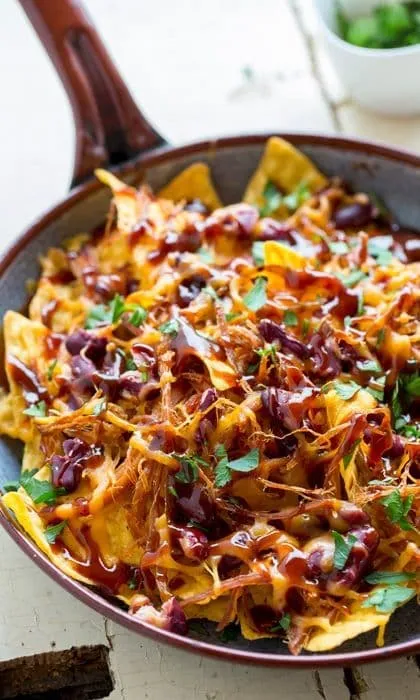 Photo: Ignacio "Nacho" Anaya, via www.hola.com
What happened next in his small restaurant in Piedras Negras, Mexico, would eventually become one of the most profitable snack foods in American history. But it almost didn't happen at all.
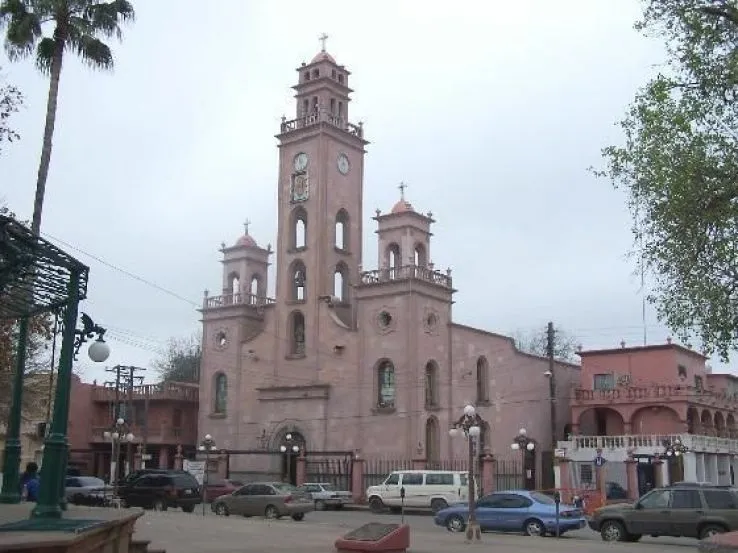 Photo: Piedras Negras, Mexico, via www.hlimg.com
The Cheese Nobody Wanted
World War II had created strange economic ripples throughout North America, and one of the strangest was playing out along the Texas-Mexico border. U.S. government surplus programs, designed to support wartime agriculture, had flooded the region with processed cheese products that local communities struggled to use.
The cheese wasn't bad—it was actually quite good, a processed blend designed for long storage and easy melting. But it came in enormous quantities that overwhelmed local markets. Restaurants, military bases, and even private citizens found themselves with more cheese than they could reasonably consume.
In border towns like Eagle Pass, Texas, and Piedras Negras, Mexico, the surplus cheese had become a running joke. Everyone had it. Nobody knew what to do with it.
The Desperate Improvisation
Ignacio Anaya owned a small restaurant called the Victory Club, just across the border from Eagle Pass. His establishment catered to a mix of local workers and American visitors, including the wives of U.S. military personnel stationed at nearby bases.
On that particular Tuesday, Anaya found himself in a familiar predicament. A group of American military wives had arrived for a late lunch, but his kitchen was nearly empty. His cook had left early, most of his prepared dishes were gone, and the ladies were hungry and expecting to be fed.
Looking around his kitchen, Anaya saw the ingredients for what would become culinary history: a pile of surplus cheese, some day-old tortilla chips, and a few jalapeño peppers left over from breakfast.
The Accidental Masterpiece
With no other options, Anaya began improvising. He spread the tortilla chips on a plate, covered them with the surplus cheese, added sliced jalapeños, and slipped the whole thing into his small oven until the cheese melted.
The result was something none of his customers had ever seen before: a hot, gooey combination of crispy chips and melted cheese that was both familiar and completely novel. The American ladies loved it, asking what it was called.
Anaya, thinking quickly, named the dish after himself—"Nacho's especial" (Nacho's special). The nickname "Nacho" was already how friends knew Ignacio, and the dish needed a name.
The Word-of-Mouth Revolution
The military wives who discovered Anaya's creation became its first evangelists. They brought friends back to try "Nacho's special." They attempted to recreate it at home with varying degrees of success. Most importantly, they talked about it.
Within months, other restaurants along the border were serving their own versions of the dish. The recipe was simple enough that anyone with cheese, chips, and jalapeños could attempt it, but Anaya's original remained the gold standard.
The timing was perfect. Wartime rationing had made many foods scarce, but the government surplus programs ensured that cheese and corn products remained plentiful. Anaya had accidentally created a dish perfectly suited to its economic moment.
The Texas Expansion
By the late 1940s, "nachos" had spread throughout South Texas as returning military personnel and their families brought the recipe home. Tex-Mex restaurants began featuring nachos as appetizers, often adding their own variations: ground beef, refried beans, sour cream, and guacamole.
Each addition made the dish more complex and more American. What had started as a simple combination of three ingredients evolved into an elaborate canvas for Southwestern flavors.
The dish's popularity grew slowly but steadily through the 1950s and 60s, spreading from Texas into other parts of the Southwest and eventually across the country.
The Stadium Revolution
The moment that transformed nachos from regional specialty to national obsession came in 1978 at Arlington Stadium, home of the Texas Rangers baseball team. Concession manager Frank Liberto introduced a version of nachos that could be prepared quickly and served to large crowds.
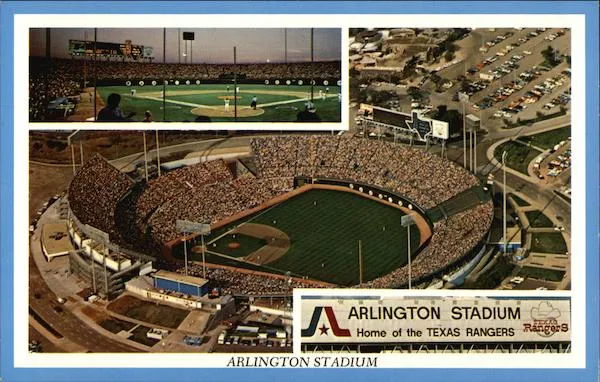 Photo: Arlington Stadium, via www.cardcow.com
Liberto's innovation was using a processed cheese sauce instead of shredded cheese, allowing stadium workers to assemble nachos in seconds rather than minutes. The hot cheese sauce also traveled better and stayed warm longer than melted shredded cheese.
The stadium nachos were an immediate hit. Fans who had never heard of the dish became instant converts. More importantly, other stadiums took notice.
The Billion-Dollar Accident
Within a decade, nachos had become standard fare at sporting venues across America. The National Restaurant Association estimates that nachos now generate over $1 billion in annual sales in the United States alone.
The dish that Ignacio Anaya created to use up surplus cheese has spawned countless variations: loaded nachos, breakfast nachos, dessert nachos, and even nacho-flavored products that contain no actual cheese or chips.
Major food companies have built entire product lines around nacho flavoring. The distinctive orange cheese sauce that Frank Liberto popularized has become so iconic that it's now available in grocery stores for home use.
The Unintended Legacy
Ignacio Anaya died in 1975, just three years before his accidental creation exploded into national consciousness. He lived long enough to see nachos become popular throughout Texas but never witnessed their transformation into an American institution.
Today, the city of Piedras Negras celebrates October 21st as International Nacho Day, honoring Anaya's improvised solution to an empty kitchen and hungry customers.
The Perfect Storm of Surplus
The story of nachos illustrates how the most enduring innovations often emerge from constraints rather than abundance. Anaya didn't set out to invent America's favorite stadium snack—he was simply trying to feed customers with whatever ingredients he had available.
The wartime cheese surplus that seemed like a burden to border communities became the foundation for a billion-dollar industry. Sometimes the best recipes aren't planned; they're improvised by someone who refuses to let good ingredients go to waste.
The next time you're at a baseball game, watching melted cheese drip off a tortilla chip, remember that you're eating the result of wartime logistics, creative desperation, and one restaurant owner's refusal to turn away hungry customers.