When America's Roads Were Designed by War: The Cross-Country Crisis That Built the Interstate
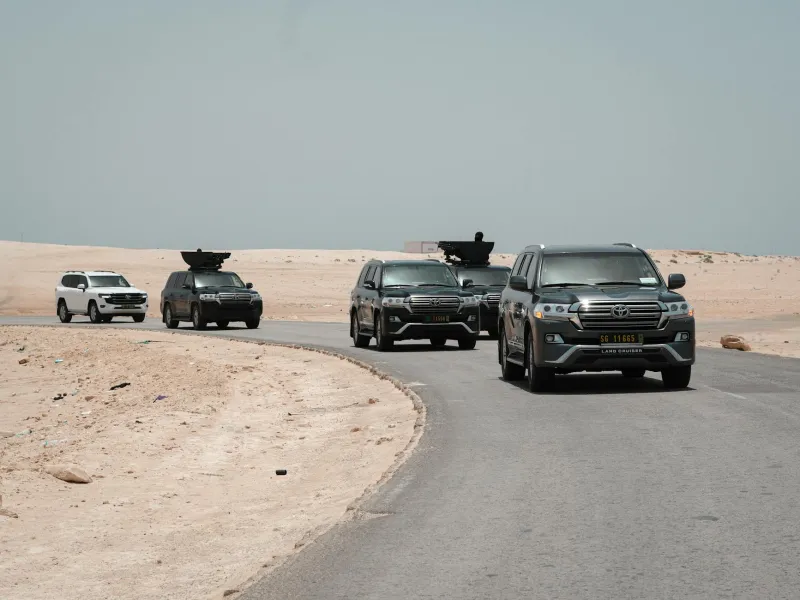
In the summer of 1919, a young Army officer named Dwight Eisenhower climbed aboard a military convoy in Washington, D.C., for what would become one of the most influential road trips in American history. The mission seemed simple: drive a collection of military vehicles from the nation's capital to San Francisco to test whether America's roads could handle wartime logistics.
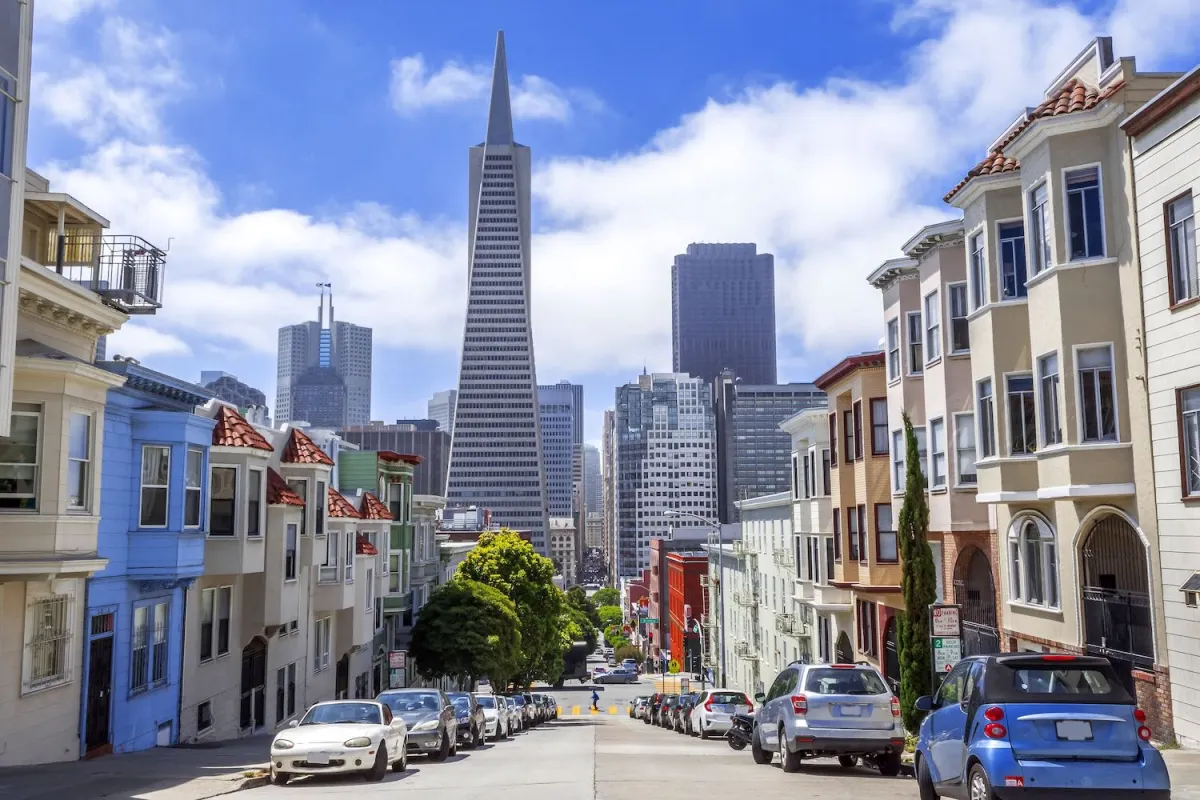 Photo: San Francisco, via sanfrancisco415day.com
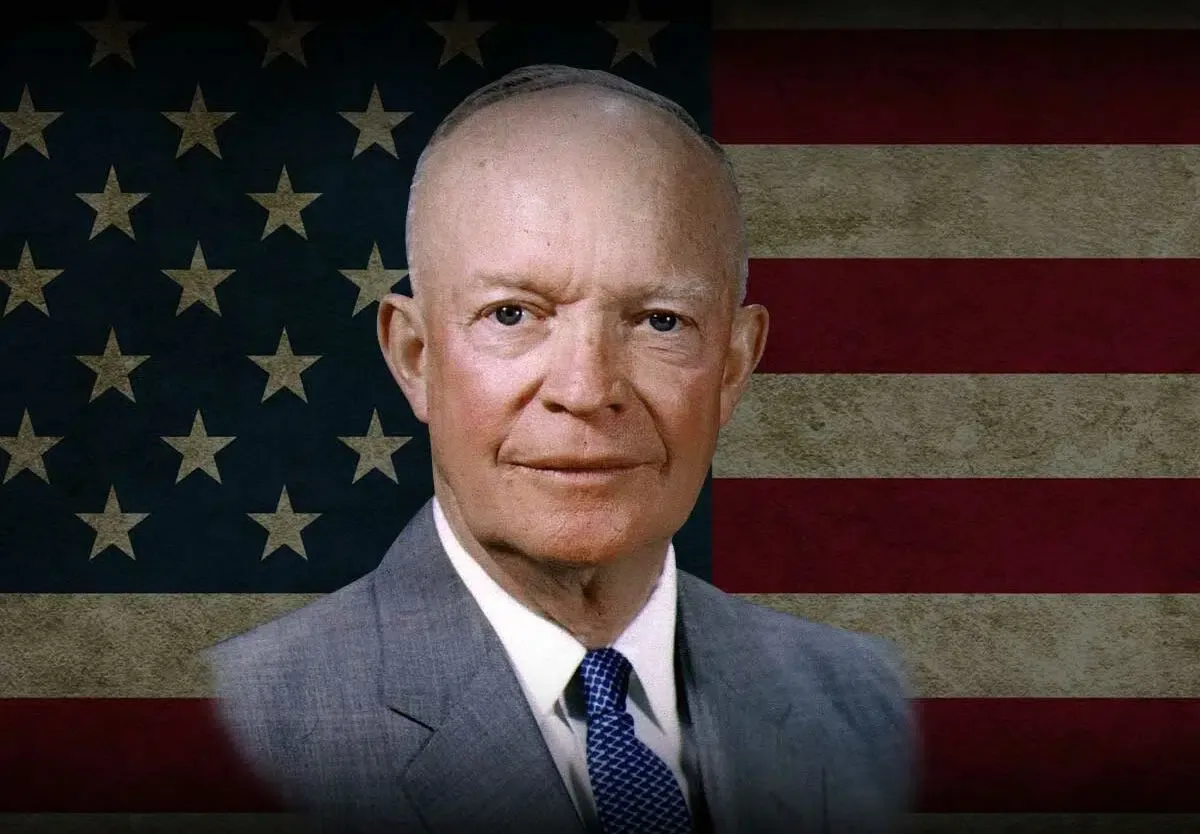 Photo: Dwight Eisenhower, via nationaltoday.com
What happened next was a disaster that would eventually reshape the entire continent.
The Convoy That Broke America
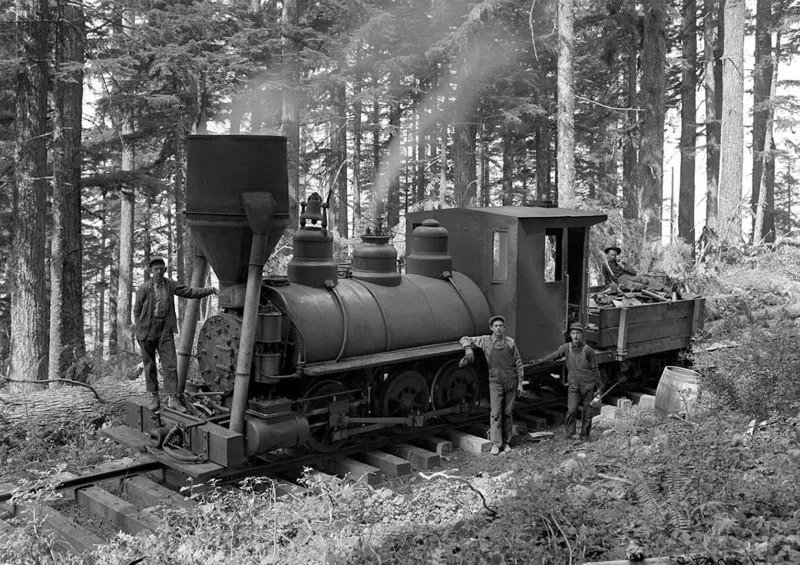
The 1919 Motor Transport Corps convoy consisted of 81 vehicles carrying 300 soldiers across a country with roads that barely deserved the name. What military planners expected to take a month stretched into 62 grueling days of mechanical breakdowns, collapsed bridges, and vehicles literally sinking into mud.
Eisenhower watched trucks get stuck for hours in what passed for highways. He saw bridges crumble under the weight of military equipment. In Nevada, the convoy averaged just five miles per hour across terrain that had never been designed for anything heavier than a horse-drawn wagon.
"The trip had been difficult, tiring, and fun," Eisenhower would later write with characteristic understatement. But the experience burned into his memory a simple truth: America's roads were a national security disaster waiting to happen.
A German Lesson in Speed
Two decades later, during World War II, Eisenhower got a very different education in road engineering. As Supreme Allied Commander in Europe, he witnessed firsthand how German autobahns allowed rapid movement of troops and equipment across vast distances. The smooth, wide highways with their gentle curves and separated lanes weren't just impressive—they were strategically brilliant.
The autobahns had been built in the 1930s with military logistics in mind. Their lanes were wide enough for tank transporters. Their overpasses were high enough for military vehicles. Most importantly, long straight stretches could double as emergency aircraft runways if needed.
Eisenhower took notes.
The Blueprint Hidden in Plain Sight
When Eisenhower became president in 1953, America was choking on its own success. Post-war prosperity had put millions of cars on roads designed for far fewer vehicles. Traffic jams clogged major cities. Cross-country travel remained an adventure in patience and mechanical luck.
But Eisenhower wasn't thinking about weekend drivers when he proposed the Interstate Highway System in 1956. He was thinking about those 62 days in 1919 and those German highways that had moved armies.
The Federal-Aid Highway Act of 1956 officially created the Interstate system, but its specifications told a different story than the one sold to Congress. Yes, the highways would connect American cities and boost commerce. But they were also designed to move military equipment quickly across the country during the Cold War.
The Secret Military DNA of Every Highway
Every detail of Interstate design carries traces of its military origins. The standard 12-foot lane width? Wide enough for the largest military vehicles of the 1950s. The minimum 16-foot clearance under overpasses? Tall enough for missile transporters.
Those long, straight stretches that make highway driving so monotonous? They're not accidents of engineering—they're emergency runways. Federal law required that one mile in every five of Interstate highway be straight and flat enough for aircraft landings during national emergencies.
Even the distinctive blue Interstate shields carry military symbolism, designed to be easily recognizable to pilots flying overhead.
The Unintended Revolution
What Eisenhower created for national defense accidentally revolutionized American life in ways he never anticipated. The Interstate system didn't just move tanks—it moved families to suburbs, goods to markets, and entire industries across state lines.
The highways designed to win the Cold War instead enabled the rise of fast food, big-box retail, and the modern American suburb. McDonald's golden arches and Walmart superstores followed Interstate off-ramps like flowers following the sun.
The $500 Billion Memory
The Interstate Highway System took 35 years to complete and cost over $500 billion in today's dollars, making it the largest public works project in human history. By the time the last mile was paved in 1992, the system had fundamentally altered American geography.
Cities that had thrived on railroad connections withered when the Interstate bypassed them. New communities sprouted around highway interchanges. The American road trip, once an exercise in optimism and mechanical faith, became a predictable cruise between standardized rest stops.
The Legacy of a Broken-Down Convoy
Today, 254 million vehicles travel the Interstate system daily, carrying everything from Amazon packages to family vacations. Few drivers realize they're traveling on roads designed primarily to move military equipment during a war that never came.
The next time you merge onto an Interstate, remember that those wide lanes and gentle curves exist because a young Army officer once spent two miserable months watching military trucks sink into American mud. The highway beneath your wheels isn't just a road—it's a monument to the moment America decided its roads needed to be ready for war.
Eisenhower's vision of highways strong enough for tanks created roads perfect for everything else. Sometimes the most peaceful revolutions begin with preparing for conflict.