Three Notes That Accidentally Became America's First Trademarked Sound
The Clock That Started Everything
It was just after 10 PM on November 29, 1927, when NBC engineer Phillips Carlin faced a problem that would accidentally change American broadcasting forever. The studio clock at WJZ in New York had broken, leaving him without his usual time cue to signal the end of the evening's programming.
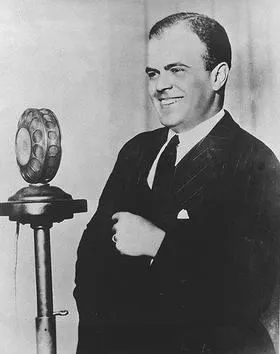 Photo: Phillips Carlin, via alchetron.com
Without missing a beat, Carlin leaned into his microphone and hummed three simple notes: G-E-C. The sequence took exactly 2.5 seconds — just long enough to fill the dead air and transition cleanly to the next program. What he didn't know was that this moment of improvisation would become one of the most enduring sounds in American media history.
From Technical Fix to Corporate Identity
The three-note sequence wasn't random. Carlin had chosen G-E-C because they represented the call letters of NBC's parent company, General Electric Company. But what started as a clever mnemonic device quickly proved its worth in ways no one anticipated.
Radio listeners began to recognize the chimes instantly. In an era when station identification was crucial — and when radio signals could drift between frequencies — those three notes became NBC's audio signature. They were clean, simple, and unlike anything else on the airwaves.
By 1929, NBC had standardized the chimes across all its programming. The network hired musicians to perfect the timing and tone, ensuring that every station in the NBC network played exactly the same sequence. What had begun as a broken clock workaround was now a deliberate branding strategy.
Making Legal History
But NBC's executives saw something bigger. In 1950, the network filed an unprecedented application with the U.S. Patent and Trademark Office: they wanted to trademark the chimes themselves.
This had never been attempted before. Trademarks protected logos, names, and slogans — visual and textual elements that could be printed and displayed. But a sound? The legal framework didn't really exist.
NBC's lawyers argued that the three-note sequence had become so strongly associated with their brand that it deserved the same protection as any visual trademark. They presented evidence of the chimes' use across radio programming, advertising, and even sheet music. The sequence had transcended its technical origins to become a piece of intellectual property.
On April 4, 1950, the Patent Office agreed. NBC's chimes became the first sound trademark ever granted in the United States, officially registered as "a sequence of chime-like musical tones." The decision opened an entirely new category of intellectual property law.
The Sound That Survived Technology
What makes the NBC chimes remarkable isn't just their legal significance — it's their staying power. As broadcasting technology evolved from radio to television to digital streaming, the chimes adapted and survived.
When NBC launched its television operations in the 1940s, the chimes transitioned seamlessly from radio. They appeared in TV commercials, station identifications, and program transitions. The network even incorporated them into the famous NBC peacock logo animations, creating a multimedia brand experience that linked sight and sound.
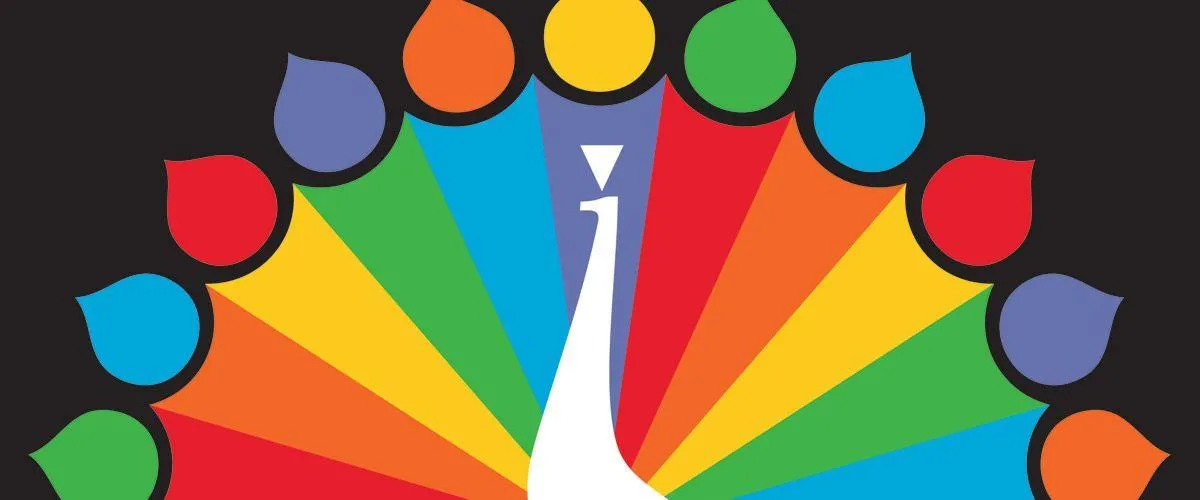 Photo: NBC peacock logo, via logodix.com
Even as NBC's programming and ownership changed hands multiple times — from RCA to General Electric to Comcast — the chimes remained constant. They're embedded in decades of American cultural memory, from Saturday Night Live cold opens to Olympic Games coverage.
The Accidental Innovation
The story of NBC's chimes reveals how some of the most enduring innovations emerge from the most mundane problems. Phillips Carlin wasn't trying to create a brand identity or make legal history when he hummed those three notes. He was simply solving an immediate technical problem with the tools he had available.
But his improvised solution tapped into something fundamental about how humans process audio information. The G-E-C sequence is musically satisfying — it resolves cleanly and sits comfortably in most people's vocal range. It's memorable without being annoying, distinctive without being jarring.
Beyond Broadcasting
The success of NBC's sound trademark opened floodgates for other companies. Today, the Patent Office has registered hundreds of audio trademarks, from McDonald's "I'm Lovin' It" jingle to the Intel processor chime. The legal precedent that NBC established in 1950 now protects everything from car engine sounds to software notification tones.
But none of these later audio trademarks carry quite the same cultural weight as those original three notes. The NBC chimes represent a moment when American broadcasting was still finding its voice — literally and figuratively.
The Beat Goes On
Nearly a century after Phillips Carlin's improvised solution to a broken clock, the NBC chimes continue to sound across American airwaves. They've survived the transition from radio to television to streaming, from live broadcasts to digital recordings.
In a media landscape that changes almost daily, those three simple notes remain remarkably constant. They're a reminder that sometimes the most lasting innovations come not from grand design, but from quick thinking in the face of everyday problems. The next time you hear G-E-C chiming through your speakers, remember: you're listening to America's first trademarked sound, born from a moment when technology failed and human creativity stepped in to fill the silence.