The Ancient Weapon Check That Became America's Democratic Handshake
Americans shake hands constantly — when meeting someone new, closing a deal, or greeting a neighbor. We do it so automatically that most people never question why we grasp strangers' dominant hands and pump them up and down. But this seemingly innocent gesture carries a surprisingly loaded history that reveals how America deliberately rejected European class distinctions in favor of democratic equality.
When Meeting Someone Could Get You Killed
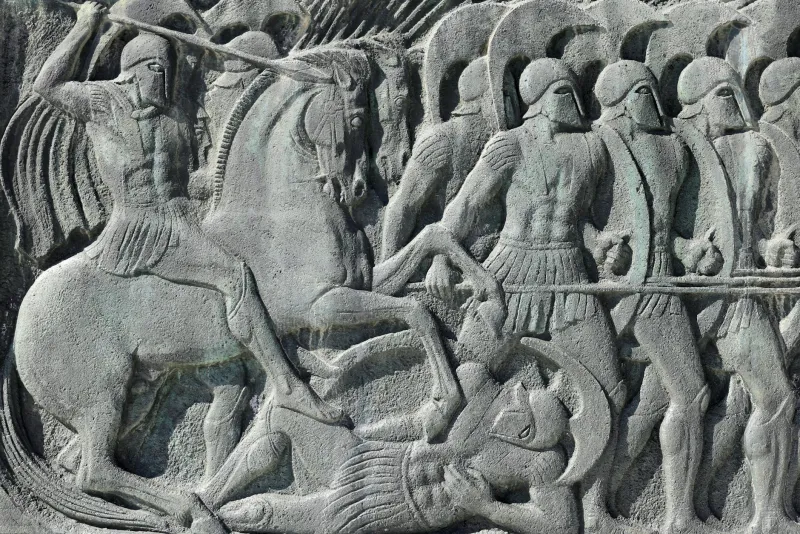
The handshake's origins have nothing to do with friendliness and everything to do with survival. Archaeological evidence suggests the gesture emerged in ancient Greece around the 5th century BCE, carved into stone reliefs showing warriors grasping each other's weapon hands before negotiations.
The logic was brutally practical: if you could see and control someone's sword hand, they couldn't stab you during conversation. The gesture demonstrated peaceful intentions while simultaneously preventing surprise attacks. Ancient Greek and Roman texts describe handshaking as a standard diplomatic protocol — a way to conduct business without getting murdered.
This wasn't symbolic. Ancient Mediterranean societies were violent, honor-based cultures where personal disputes often ended in bloodshed. The handshake represented a temporary truce, a mutual agreement to keep weapons sheathed long enough to talk.
The Religious Revolution
The handshake might have remained a diplomatic curiosity if not for an unlikely group of English religious radicals. In the 17th century, Quakers adopted handshaking as a core practice that reflected their egalitarian beliefs about human equality.
Quaker theology rejected the elaborate bowing, curtseying, and hat-tipping that defined English social hierarchy. They believed all people were equal before God, regardless of wealth or social status. The simple handshake became their signature greeting — one person extending their hand to another as equals, no matter their station in life.
This was revolutionary behavior in a society where your greeting depended entirely on social rank. Aristocrats expected bows. Clergy received different gestures than merchants. The Quaker handshake ignored these distinctions entirely, treating every human interaction as a meeting between equals.
The Democratic Import
When Quakers emigrated to colonial America, they brought their egalitarian handshake with them. But the gesture found particularly fertile ground in a society that was already suspicious of European class distinctions. Colonial America was full of people who had left behind the rigid social hierarchies of the Old World.
The handshake aligned perfectly with emerging American values about democracy and equality. It was practical, efficient, and treated everyone the same way. Unlike bowing or curtseying, which required knowledge of complex social protocols, anyone could master a handshake.
By the time of the American Revolution, handshaking had become distinctly associated with democratic ideals. Revolutionary leaders deliberately used handshakes instead of European-style bows when meeting foreign diplomats, signaling America's rejection of inherited nobility.
The Presidential Precedent
The handshake's transformation into America's signature greeting accelerated during the early presidency. George Washington initially held formal levees where citizens could bow to him like European subjects greeting a monarch. But this felt uncomfortably aristocratic in a republic founded on equality.
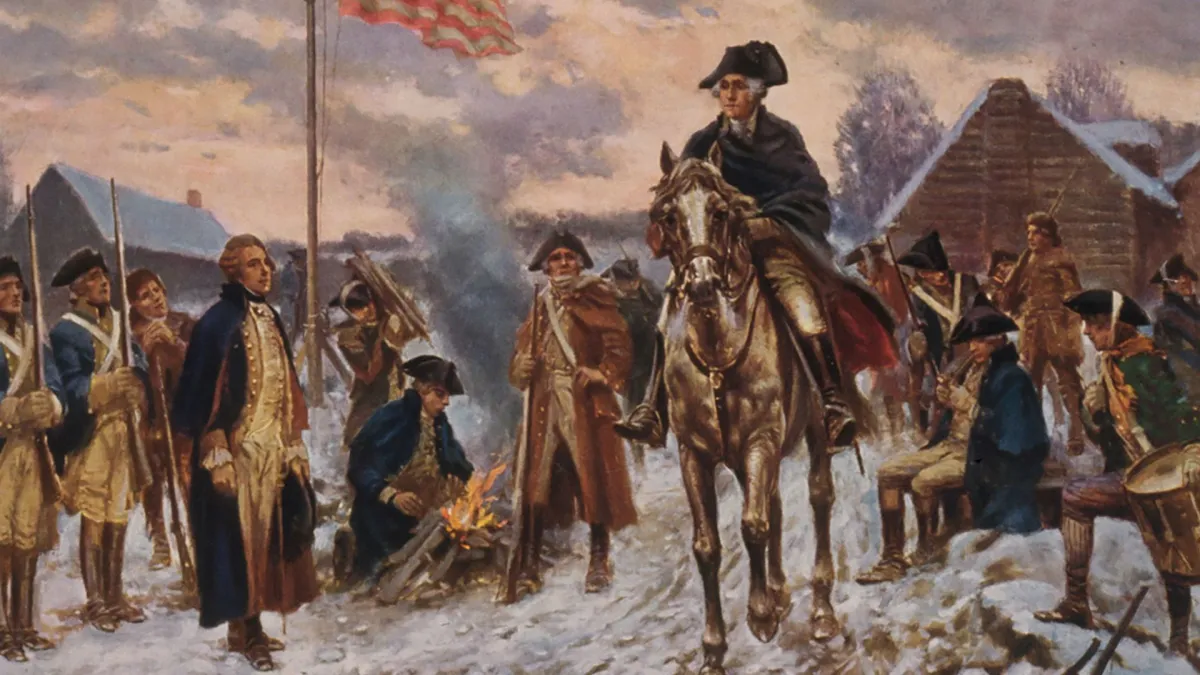 Photo: George Washington, via cdn.britannica.com
Successive presidents moved toward more democratic greeting styles. Thomas Jefferson famously scandalized European diplomats by shaking hands instead of accepting formal bows. He saw the handshake as embodying American principles — direct, honest, and egalitarian.
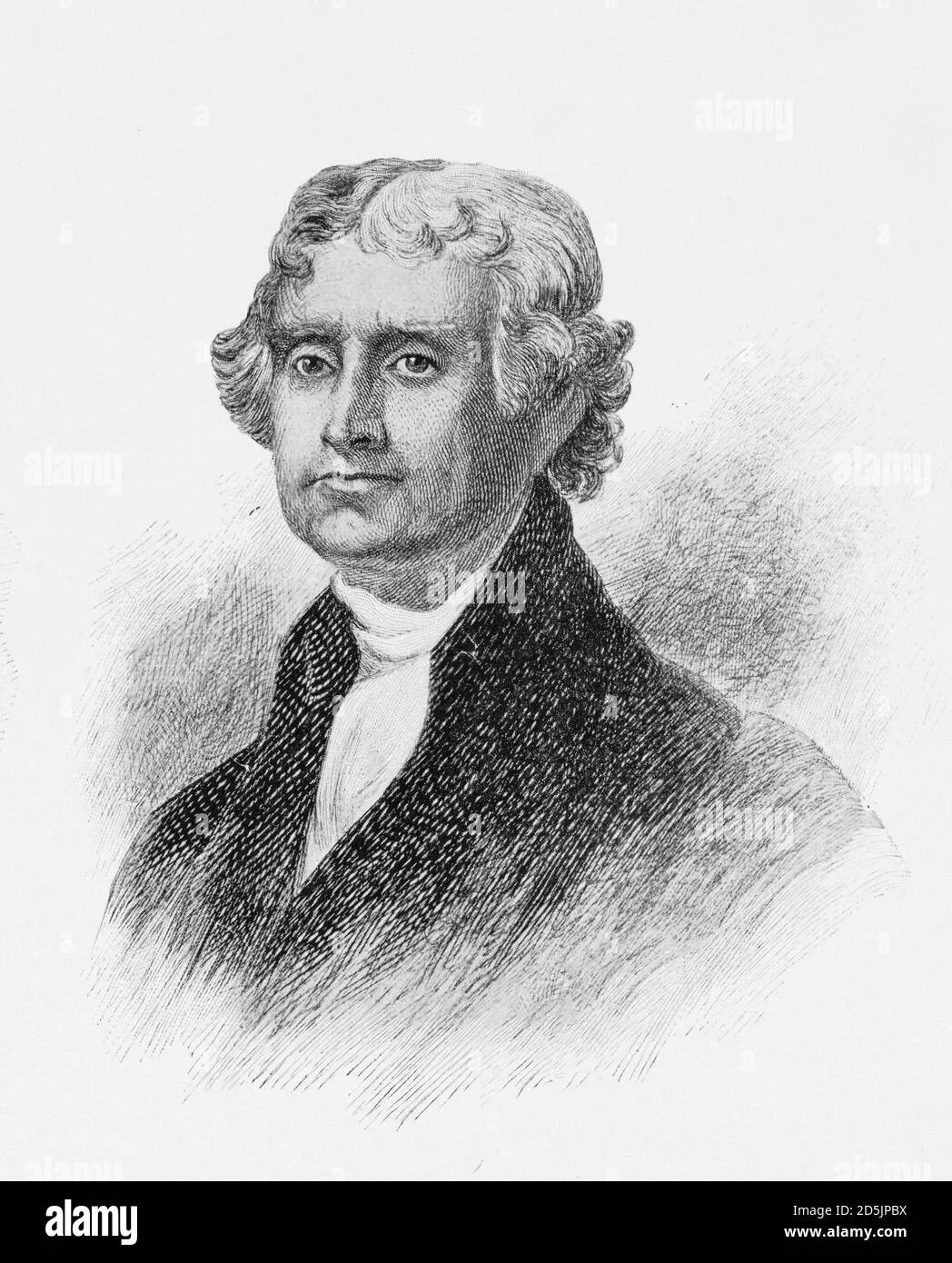 Photo: Thomas Jefferson, via c8.alamy.com
By Andrew Jackson's presidency, the democratic handshake had become a political statement. Jackson, who positioned himself as a man of the common people, made a point of shaking hands with everyone — farmers, laborers, and frontier settlers. The gesture symbolized his rejection of elite privilege.
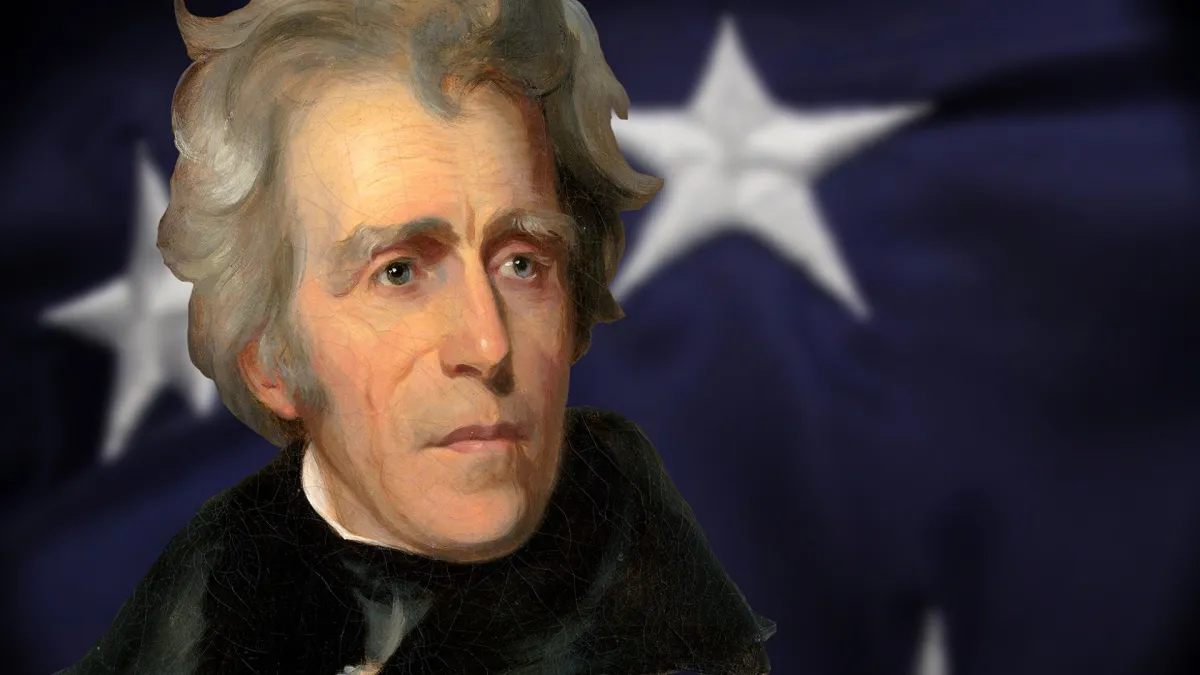 Photo: Andrew Jackson, via cdn.britannica.com
The Business Culture Revolution
The handshake's democratic associations made it perfect for America's emerging business culture. In a rapidly industrializing economy, merchants and entrepreneurs needed ways to establish trust quickly with strangers. The handshake provided instant social connection while avoiding the class-based complications of European etiquette.
American business culture embraced handshaking as a sign of honest dealing. "His handshake is his bond" became a common expression, suggesting that someone's grip revealed their character. This wasn't just sentiment — in a mobile society where traditional community vouching systems didn't work, the handshake became a crucial tool for evaluating trustworthiness.
The gesture also solved practical problems in America's ethnically diverse society. European greeting customs varied dramatically between cultures, but the handshake provided a universal standard that immigrants from different backgrounds could all understand and practice.
The Grip That Defined a Nation
By the late 19th century, the handshake had become so associated with American identity that foreign visitors regularly commented on it. European travelers noted how Americans shook hands with everyone — servants, shopkeepers, and strangers — in ways that would have been socially impossible in more stratified societies.
The American handshake also developed its own cultural characteristics. Unlike the brief, formal handshakes common in other cultures, Americans developed the vigorous, pumping style that became internationally recognizable. This energetic approach reflected American values about enthusiasm, directness, and personal engagement.
The Gesture That Reveals Everything
Today, when Americans automatically extend their hands to greet someone new, they're unconsciously participating in a tradition that connects ancient warrior protocols to democratic ideals. The handshake embodies everything Americans like to believe about themselves — practical, egalitarian, and direct.
The gesture's persistence reveals how deeply these values are embedded in American culture. Even as social customs evolve, the handshake remains the default greeting because it captures something essential about American identity: the belief that all people deserve to be treated as equals, regardless of background or status.
The next time you shake someone's hand, remember: you're not just being polite. You're participating in a gesture that ancient warriors used to avoid getting stabbed, Quakers adopted to express religious equality, and Americans embraced to define their democratic character. Every handshake connects you to centuries of people who believed that how you greet someone reveals who you really are.