The Holy Wine Mistake That Accidentally Created France's Most Famous Luxury
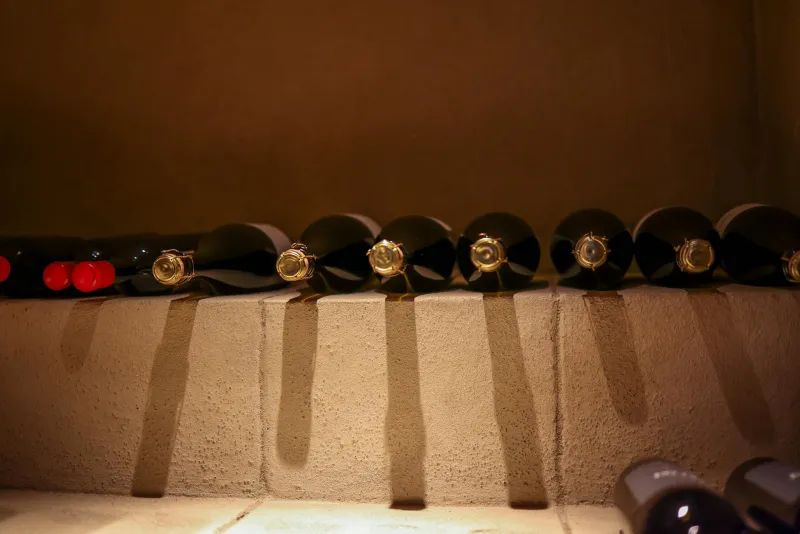
The Monk Who Couldn't Stop the Fizz
Dom Pérignon has become synonymous with luxury champagne, but the real monk behind the name would probably be horrified by his modern reputation. Pierre Pérignon, a Benedictine cellar master at the Abbey of Hautvillers in the late 1600s, wasn't trying to create the world's most celebrated sparkling wine. He was trying to prevent it.
 Photo: Abbey of Hautvillers, via c8.alamy.com
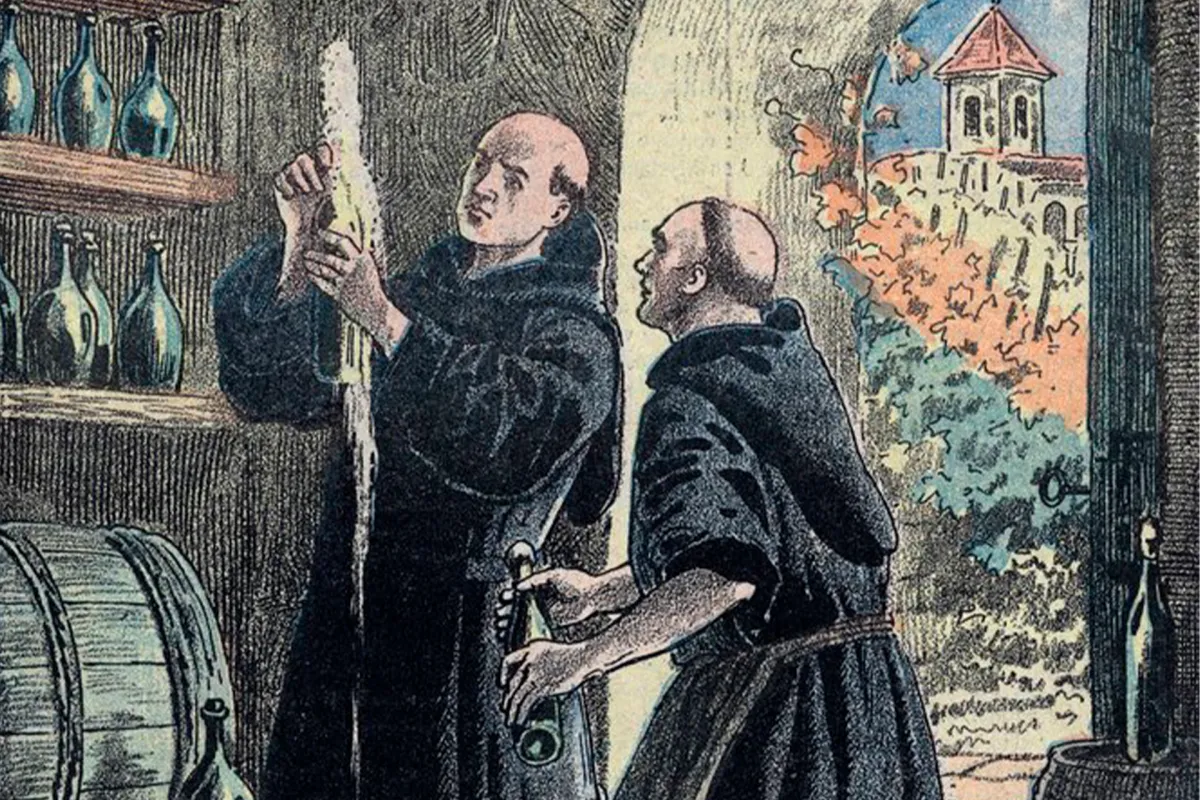 Photo: Pierre Pérignon, via granreservabo.com
The abbey had a serious problem: their wine kept developing unwanted bubbles during the second fermentation process. In an era when still wine was the gold standard, fizzy wine was considered a defect — a sign that something had gone wrong in the cellar. The monastery's reputation depended on producing quality wine for both religious ceremonies and income, and these mysterious bubbles were threatening both.
When Quality Control Goes Wrong
Pérignon's job was essentially medieval quality control. The abbey needed someone to figure out why their wine kept turning fizzy and, more importantly, how to stop it. What he discovered instead was that the bubbles weren't random — they followed predictable patterns related to temperature, timing, and bottle strength.
Rather than eliminating the problem, Pérignon began studying it. He noticed that the fizzy wines actually tasted better than their flat counterparts, developing complex flavors that still wines couldn't match. But this presented a new problem: the Catholic Church wasn't exactly thrilled about monks creating what seemed like a frivolous luxury product.
The Church's Uncomfortable Discovery
For decades after Pérignon's initial observations, the monastery tried to downplay their sparkling wine production. Church officials worried that creating an obviously luxurious beverage might conflict with their vows of simplicity. The bubbles made the wine feel celebratory, almost secular — hardly appropriate for serious religious institutions.
But the wine was too good to ignore, and too profitable to abandon. Slowly, the abbey began selling their "defective" wine to wealthy French nobility, who couldn't get enough of the unusual fizzy drink. What started as a quality control failure was becoming a business success.
The Marketing Myth Takes Over
Here's where the story gets interesting: almost everything you've heard about Dom Pérignon "inventing" champagne is marketing fiction created centuries later. The famous quote about tasting "stars" when he first sipped champagne? Never happened. The image of a brilliant monk deliberately creating bubbles through scientific innovation? Also fabricated.
The real Dom Pérignon was more of an accidental discoverer than a visionary inventor. He stumbled onto something remarkable while trying to solve what his era considered a winemaking mistake. The champagne industry later transformed this mundane reality into a creation myth that made their product seem more intentional and prestigious.
From Monastery Problem to Global Phenomenon
By the early 1700s, sparkling wine from the Champagne region had gained popularity among French aristocrats, despite the Church's initial reluctance. The wine's association with celebration and luxury wasn't planned — it emerged naturally from its scarcity and the difficulty of producing it consistently.
 Photo: Champagne region, via i.pinimg.com
The real breakthrough came when bottle-making technology improved enough to handle the pressure from carbonation. Earlier bottles frequently exploded, making sparkling wine production dangerous and expensive. Once stronger glass became available, champagne production could scale up from monastery curiosity to commercial enterprise.
The Accident That Changed Everything
What makes Dom Pérignon's story so perfectly representative of accidental discovery is how completely it contradicts our modern assumptions. We imagine champagne as the result of sophisticated French winemaking expertise, when it actually emerged from a monk's failure to prevent fermentation.
The bubbles that define champagne today were originally considered evidence of poor technique. The luxury associations came later, built on scarcity rather than intention. Even the name "Dom Pérignon" didn't become a champagne brand until 1936 — more than 200 years after the monk's death.
Why the Real Story Matters
The true origin of champagne reveals something important about how luxury products actually develop. Rather than emerging from grand vision or sophisticated planning, many of our most prized items started as accidents, mistakes, or solutions to completely different problems.
Dom Pérignon's legacy isn't that he invented champagne — it's that he recognized potential in what everyone else considered a flaw. The monk who couldn't fix his fizzy wine ended up creating a global industry worth billions of dollars, all because he paid attention to a mistake instead of simply trying to eliminate it.
Today, when you pop open a bottle of champagne, you're celebrating not French winemaking genius, but a 17th-century quality control failure that turned out better than anyone expected.