The Door-to-Door Cheese Salesman Who Accidentally Invented the Modern Grocery Store

Walk into any American supermarket and you'll see something that would have baffled shoppers 120 years ago: dozens of different cheese brands, each individually wrapped and labeled, arranged in gleaming refrigerated cases. This entire system — the branded packaging, the consistent quality, the deli counter concept — traces back to one Canadian door-to-door salesman who was just trying to make a living in Chicago.
The Barrel Cheese Era
In 1900, buying cheese in America was a gamble. Most general stores kept large wheels of cheese in wooden barrels or under glass bells, cutting off chunks as customers requested them. There were no brands, no expiration dates, and no quality guarantees. Cheese might be fresh and delicious, or it might be moldy and rancid — you found out after you got home.
Customers had to trust their local shopkeeper's judgment about which cheese was good and which wasn't. Since most cheese came from small local dairies with inconsistent production methods, quality varied wildly even within the same wheel. Shopping for cheese required expertise that most people simply didn't have.
This system worked fine for small communities where everyone knew the local cheesemaker, but it was breaking down in rapidly growing industrial cities like Chicago, New York, and Detroit. Urban consumers wanted reliable, consistent products they could trust without having to become cheese experts themselves.
The Canadian Wagon Salesman
James Lewis Kraft arrived in Chicago in 1903 with $65 in his pocket and a simple business idea: buy wholesale cheese, package it in individual portions, and sell it door-to-door from a horse-drawn wagon. His plan was to eliminate the guesswork from cheese buying by offering consistent, branded products directly to consumers.
Kraft's early days were brutal. He spent his mornings at wholesale markets buying cheese wheels, his afternoons cutting and wrapping individual portions in foil, and his evenings pulling his wagon through Chicago neighborhoods trying to convince housewives to buy pre-packaged cheese from a stranger.
Most customers initially rejected his approach. Why pay extra for pre-wrapped cheese when they could buy it fresh-cut at the corner store? Kraft's cheese wasn't necessarily better quality — it was just more predictable. But predictability, it turned out, was exactly what urban consumers were craving.
The Foil Wrapper Innovation
Kraft's breakthrough came when he started experimenting with different packaging materials. While competitors used wax paper or cloth wrapping, Kraft discovered that thin aluminum foil kept cheese fresher longer while allowing customers to see the product inside. The foil also enabled him to print his name and quality promises directly on the packaging.
This seems obvious now, but in 1903, branded food packaging was revolutionary. Most food products were sold in bulk with no manufacturer identification. Kraft's foil-wrapped cheese blocks were among the first mass-market food items that consumers could identify and request by brand name.
By 1909, Kraft had four brothers working with him, operating multiple wagons throughout Chicago. They weren't just selling cheese anymore — they were selling reliability, consistency, and brand trust. Customers began specifically asking for "Kraft cheese" rather than just "cheese."
The Government Contract That Changed Everything
World War I transformed Kraft from a regional cheese company into a national institution, but not in the way anyone expected. In 1917, the U.S. government needed to feed millions of soldiers overseas with portable, non-perishable food that could survive long shipping times and extreme conditions.
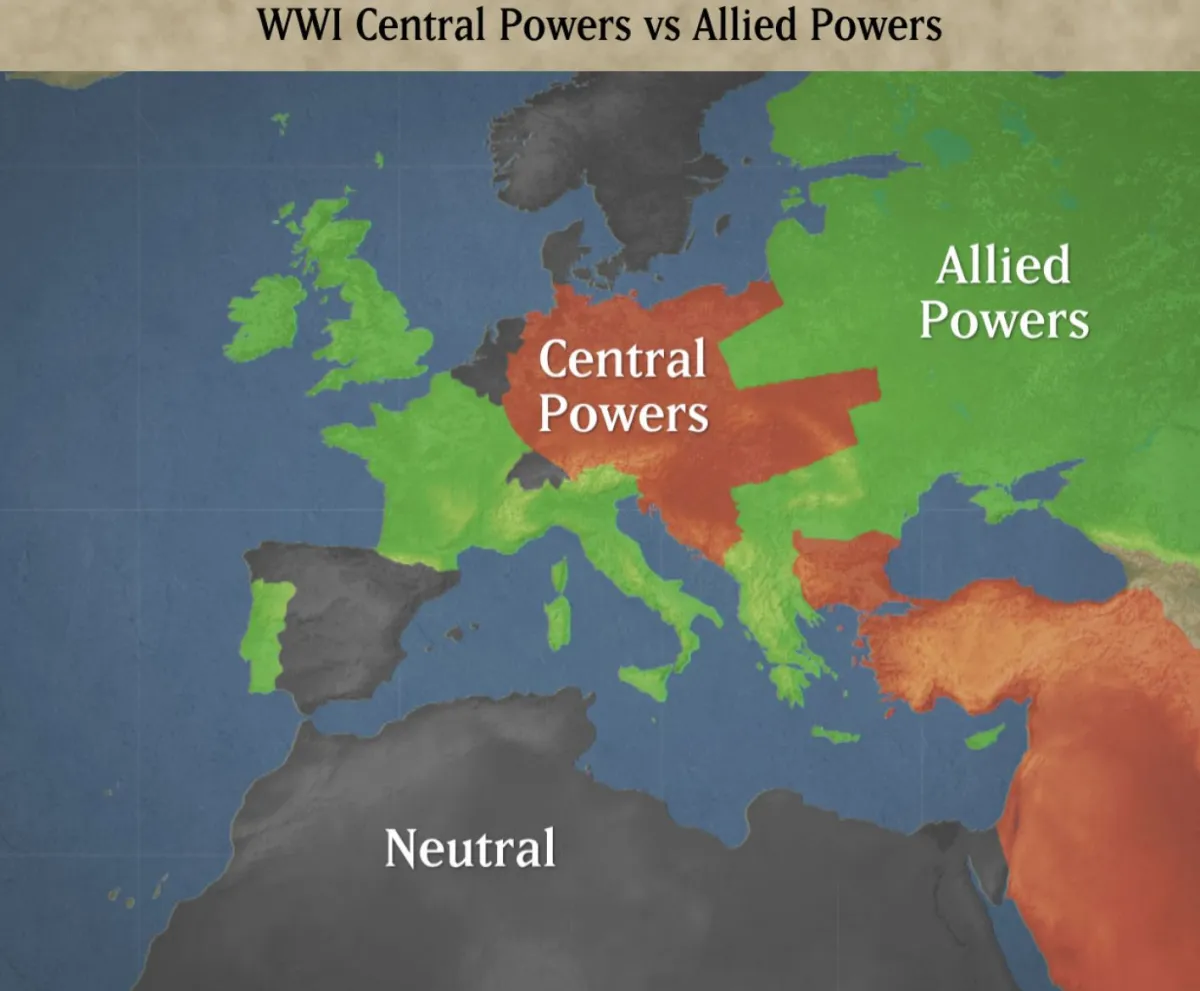 Photo: World War I, via worldwar1-global-chaos.weebly.com
The military approached Kraft because his foil-packaging system solved a crucial logistical problem: how to transport cheese thousands of miles without refrigeration while maintaining consistent quality. Kraft's wrapped cheese blocks could survive weeks in ship holds and army supply depots without spoiling.
The government ordered 6 million pounds of Kraft cheese for military rations — more than the company had ever produced. To meet this demand, Kraft had to industrialize his entire operation, moving from small-batch hand-wrapping to large-scale factory production with standardized processes.
The Veteran Effect
When American soldiers returned home after the war, they brought unexpected food preferences with them. Millions of veterans had spent months eating Kraft cheese in military rations, developing familiarity with and preference for its consistent taste and texture.
These veterans didn't want to return to the old system of gambling on barrel cheese quality. They specifically requested Kraft products at grocery stores, creating the first major consumer demand for branded cheese in American history. Store owners quickly realized that customers would pay premium prices for recognizable, trusted brands.
This veteran preference effect extended beyond just Kraft. Soldiers had also been exposed to other standardized, branded food products in military rations. They came home expecting the same reliability and consistency in civilian food shopping, driving demand for branded packaging across the entire food industry.
The Deli Counter Revolution
To meet this new demand for branded cheese varieties, grocery stores had to completely reorganize their layouts. Instead of keeping one or two cheese wheels in barrels, stores began stocking dozens of different branded products in refrigerated display cases.
This created the modern deli counter concept: dedicated sections where customers could see and compare multiple branded options before making purchasing decisions. Store employees became brand specialists rather than just cheese cutters, learning to explain differences between various products and help customers make informed choices.
The success of branded cheese encouraged other food manufacturers to adopt similar packaging and marketing strategies. By the 1920s, American grocery stores were filled with branded, individually packaged products that customers could identify and request by name.
The Accidental Empire
Kraft never intended to revolutionize American food retail. He just wanted to sell cheese more efficiently than his competitors. But his combination of consistent quality, branded packaging, and government contracts accidentally created the template for modern consumer food marketing.
Today, Kraft Heinz remains one of the world's largest food companies, but more importantly, Kraft's innovations established principles that still govern how Americans shop for food: brand recognition, quality consistency, individual packaging, and the expectation that manufacturers stand behind their products.
The Wrapper That Changed Shopping
The next time you walk through a supermarket deli section, remember that those rows of branded, individually wrapped products trace back to one Canadian immigrant's horse-drawn wagon in 1903 Chicago. James Kraft didn't just sell cheese — he accidentally invented the entire concept of consumer food brands.
That simple foil wrapper wasn't just protecting cheese. It was wrapping up a completely new relationship between manufacturers, retailers, and consumers that would reshape how Americans think about food quality, brand loyalty, and shopping itself.