The Musical Joke That Became America's Secret Handshake
When Music Became a Doorbell
You know the sound. Five quick knocks followed by two slower ones — ba-ba-ba-BAM-bam. Whether it's a friend at your door, a cartoon character's entrance, or someone tapping their fingers on a desk, this rhythm is so embedded in American culture that we recognize it instantly. But unlike most cultural touchstones, this one has a surprisingly specific origin story.
The pattern we call "Shave and a Haircut" didn't emerge from some ancient folk tradition or practical need. It began as a musical punchline in 1899 sheet music, then accidentally evolved into America's most recognizable sound signature.
From Parlor Piano to Vaudeville Stage
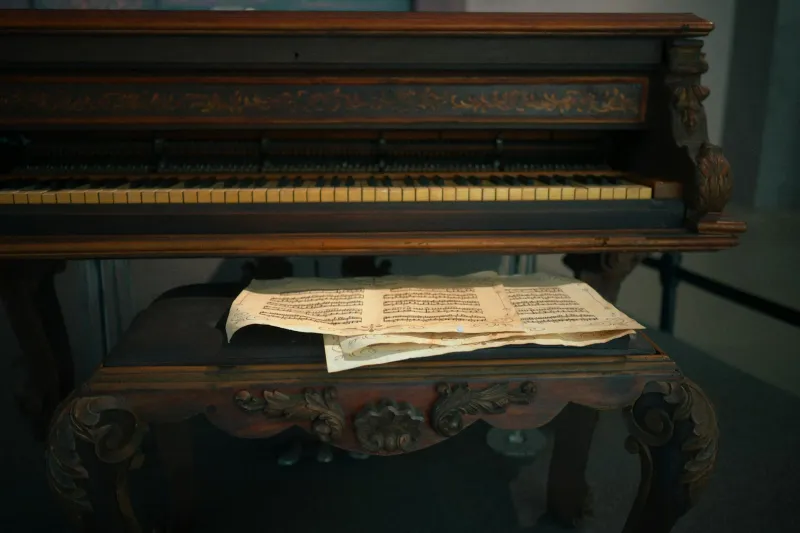
The rhythm first appeared in a piece called "At a Darktown Cakewalk" by composer Charles Hale. Sheet music was the pop music of its era — families gathered around pianos in their parlors, playing the latest hits. Hale's composition included a distinctive five-note phrase that audiences found irresistibly catchy.
But it was vaudeville performers who transformed this musical snippet into something bigger. Comedy acts began using the rhythm as a setup for jokes, with audiences automatically completing the pattern in their heads. The "two bits" response (the final two beats) became so expected that performers could pause dramatically, letting the crowd mentally finish the phrase.
This call-and-response dynamic was comedy gold. Vaudeville theaters across America featured acts that played with this rhythm, training entire audiences to recognize and anticipate it. What started as sheet music became participatory entertainment.
The Great Migration from Stage to Street
As vaudeville declined in the 1920s, something curious happened. The rhythm didn't disappear — it migrated into everyday life. Musicians who'd performed in vaudeville houses took jobs in different industries, but they carried this musical pattern with them. Factory workers who'd grown up attending shows began tapping it during breaks. Kids who'd heard it at theaters started using it as a playground signal.
The pattern was perfect for non-musical uses. Five quick beats followed by two slower ones created natural drama and resolution. It demanded attention without being aggressive. Most importantly, it was just complex enough to feel intentional but simple enough for anyone to reproduce.
Hollywood's Accidental Preservation Project
By the 1930s, Hollywood had discovered this rhythm's power. Early sound films used it constantly — characters knocked on doors with this pattern, orchestras punctuated scenes with it, and comedy routines built entire sketches around it. Movies like "The Shining" and countless cartoons would later cement its place in popular culture.
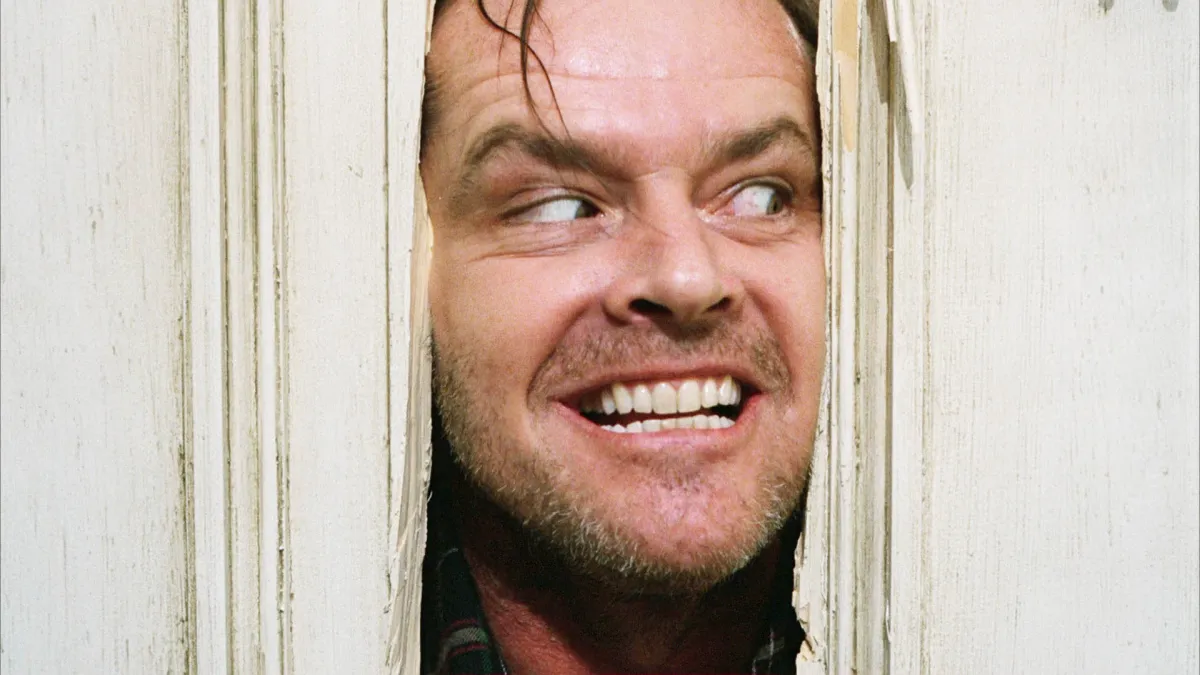 Photo: The Shining, via images.amcnetworks.com
But Hollywood didn't create this cultural phenomenon — it simply documented something that was already happening organically across America. The rhythm had become a shared language, a way for strangers to signal playfulness or recognition without saying a word.
Why This Pattern Stuck When Others Didn't
Thousands of musical phrases have emerged from American entertainment over the past century. Most fade away within a few years. So why did this particular five-beat pattern become permanently embedded in our collective consciousness?
The answer lies in its mathematical perfection for human memory. Cognitive researchers have found that five-element sequences sit in a sweet spot for recall — complex enough to feel meaningful, simple enough to remember effortlessly. The two-beat conclusion provides psychological satisfaction, like a completed sentence.
More importantly, the pattern became useful. Unlike a song or joke that serves only entertainment purposes, this rhythm found practical applications. It became a friendly way to announce your presence, a playful attention-getter, and eventually a cultural inside joke that every American was in on.
The Sound That Defines Us
Today, "Shave and a Haircut" functions as unofficial American cultural DNA. It appears in everything from iPhone notification sounds to corporate jingles to diplomatic protocols. When American soldiers knocked on doors during World War II, they often used this pattern to identify themselves to locals.
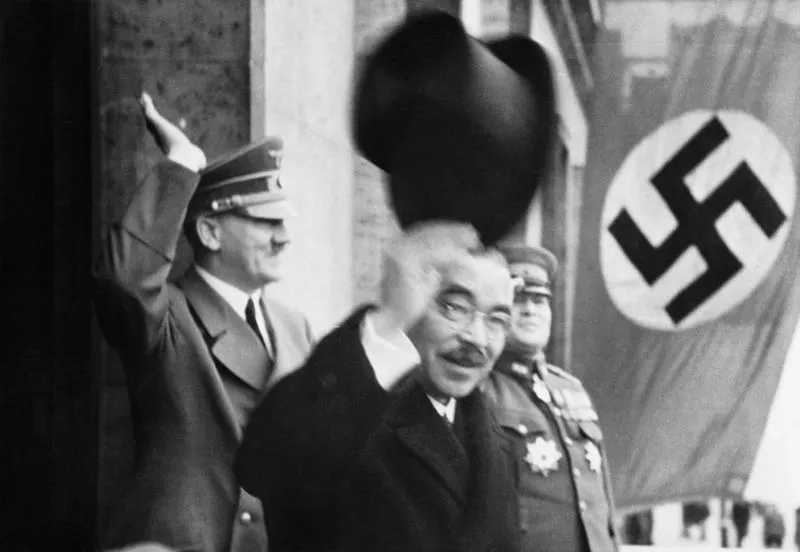 Photo: World War II, via img-s-msn-com.akamaized.net
The rhythm has become so fundamental to American communication that we barely notice it anymore. It's embedded in our comedy, our music, our daily interactions. A simple musical joke from 1899 accidentally became the soundtrack to American social life.
What makes this story remarkable isn't just that a piece of sheet music became culturally significant — it's that it happened without anyone planning it. No marketing campaign, no government initiative, no cultural institution decided this rhythm should represent America. It simply filled a need we didn't know we had: a universal, friendly sound that says "I'm here, and I'm one of you."
In a country built on diverse traditions and constant change, somehow a five-beat pattern from vaudeville became the rhythm we all share.