How World War I Surplus Gear Accidentally Created the Great American Road Trip
When the War Ended, the Gear Remained
November 1918 brought the end of World War I, but it also created an enormous logistical problem for the United States military. Warehouses across the country overflowed with millions of sleeping bags, wool blankets, canvas tents, and portable cooking equipment — all designed for trench warfare in France, now gathering dust in American storage facilities.
The military's solution was simple: sell it all to civilians at rock-bottom prices. What they didn't realize was that this massive gear dump would accidentally create the cultural phenomenon we now call the American road trip.
The Great Outdoor Equipment Fire Sale
By 1919, army surplus stores had sprouted in cities nationwide, offering military-grade camping equipment for a fraction of retail prices. A sleeping bag that would have cost a factory worker two weeks' wages could suddenly be purchased for the equivalent of a day's pay. Canvas tents, mess kits, and portable stoves became accessible to ordinary American families for the first time.
Before this surplus boom, camping was largely the domain of wealthy outdoorsmen who could afford specialized equipment, or hardy pioneers who built their own gear. The idea of middle-class families voluntarily sleeping outdoors for recreation was almost unthinkable. Most Americans associated sleeping outside with poverty or necessity, not leisure.
But cheap military surplus changed that equation entirely. Suddenly, a family could outfit themselves for outdoor adventures without significant financial risk. If camping turned out to be miserable, they hadn't lost much money. If they enjoyed it, they'd discovered an affordable vacation alternative.
The Perfect Storm of Mobility and Affordability
This gear surplus coincided perfectly with another post-war phenomenon: mass automobile ownership. Henry Ford's assembly line had made cars affordable just as millions of veterans returned home with steady jobs and pent-up desire for adventure. The same surplus stores selling camping gear often had automobile accessories and road maps.
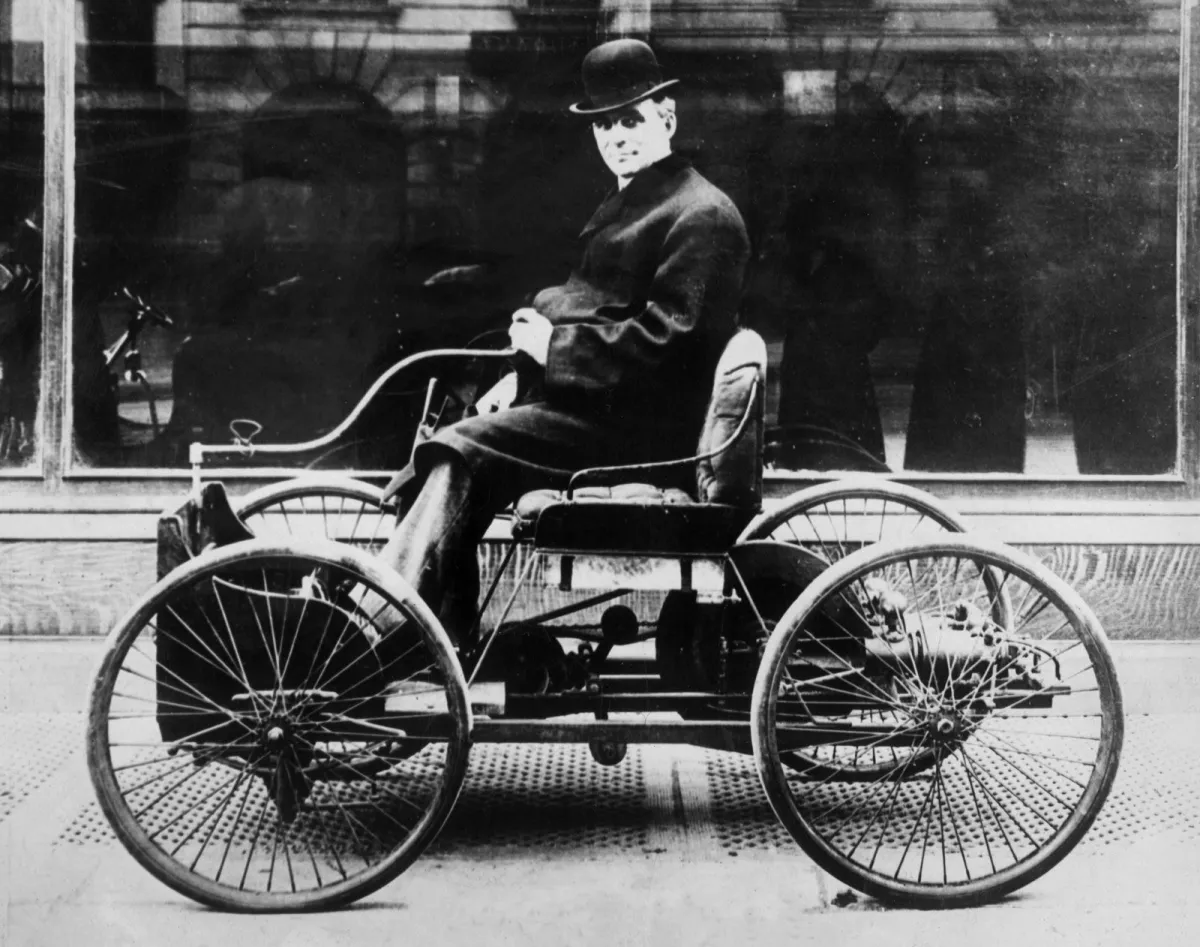 Photo: Henry Ford, via cdn.britannica.com
The combination was irresistible. Families who'd never considered sleeping outdoors suddenly found themselves loading military sleeping bags into their new Model T Fords, heading for state parks and national forests that were just beginning to develop automobile-accessible campsites.
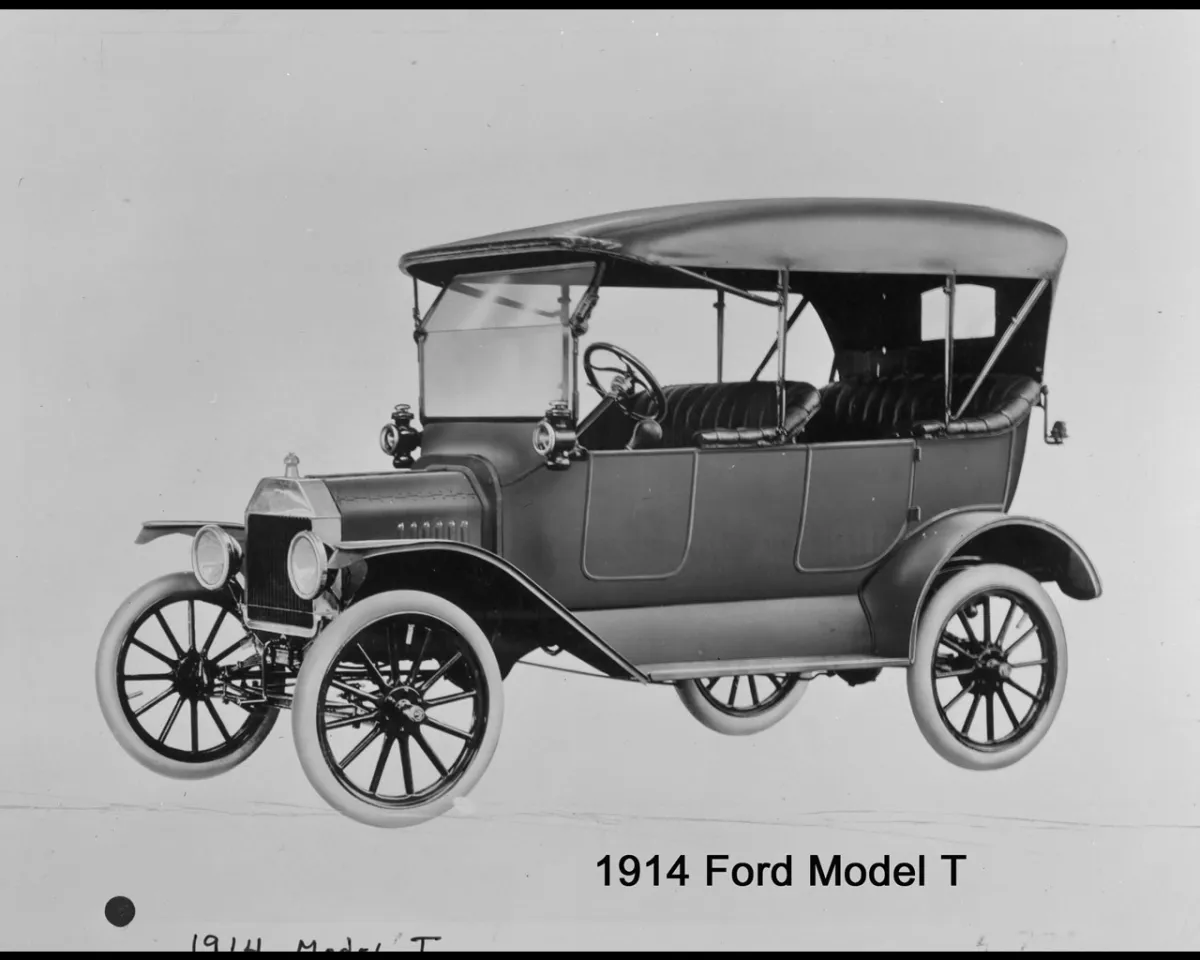 Photo: Model T Ford, via www.autoconcept-reviews.com
What started as practical thriftiness quickly became something deeper. These early car campers discovered that outdoor sleeping wasn't just cheap — it was liberating. Away from the constraints of hotels and train schedules, families could travel at their own pace, stop wherever looked interesting, and create their own adventures.
From Necessity to National Pastime
By the mid-1920s, what began as surplus gear utilization had evolved into a full-blown cultural movement. Automobile clubs published camping guides. Magazines featured articles about "motor camping." State governments began developing campgrounds specifically designed for car-based travelers.
The psychological shift was profound. A generation of Americans who'd grown up thinking outdoor sleeping was something you did only when forced to now actively sought it out. Military surplus had accidentally taught middle-class America that camping could be comfortable, affordable, and fun.
This wasn't just about recreation — it was about freedom. The open road represented escape from industrial routine, spontaneous adventure, and family bonding away from urban pressures. The surplus sleeping bags and tents that made it all possible became symbols of American independence and mobility.
The Infrastructure That Built Itself
As car camping exploded in popularity, an entire industry developed to support it. Gas stations began offering camping supplies. Restaurants started catering to road-tripping families. Tourist cabins and motor courts sprouted along popular routes, offering middle-ground accommodations between tent camping and expensive hotels.
State and national parks rapidly expanded their facilities to accommodate automobile campers. The National Park Service, founded in 1916, found itself managing not just wilderness preservation but also the infrastructure needs of millions of car-camping families who'd never existed before the surplus gear made outdoor sleeping accessible.
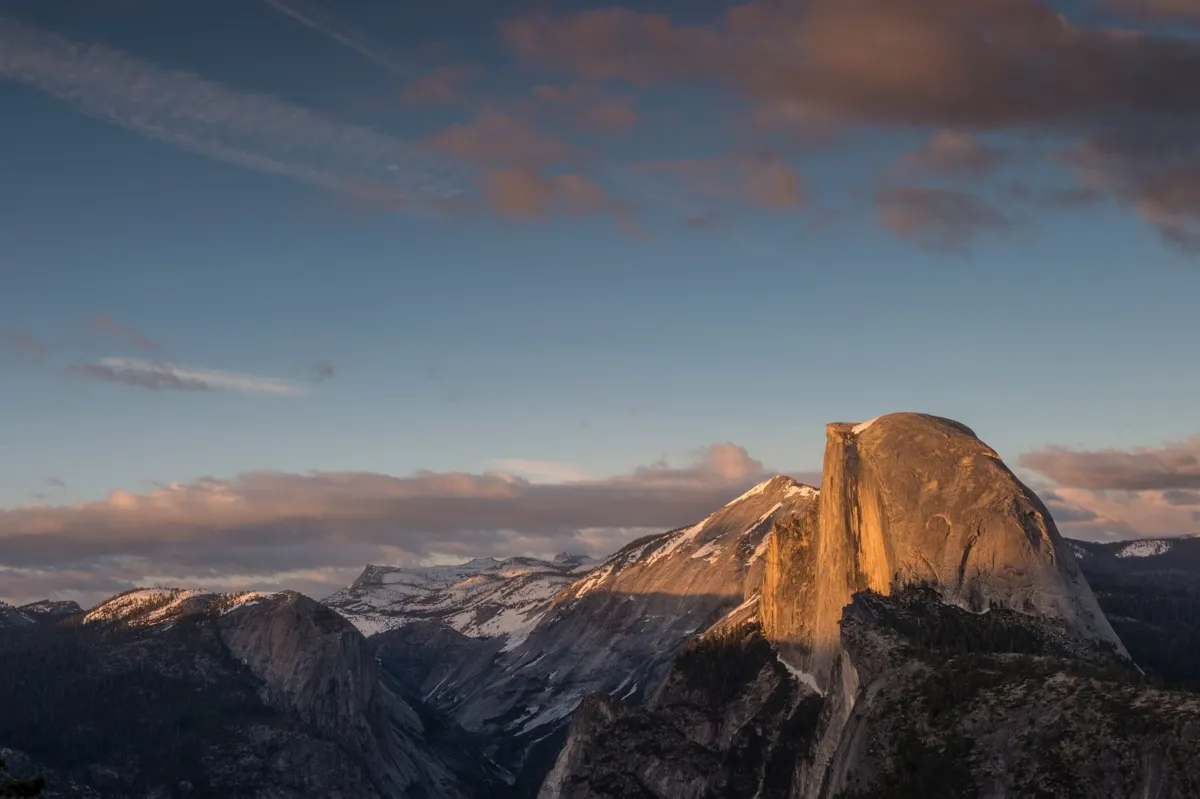 Photo: National Park Service, via i.natgeofe.com
The Lasting Legacy of Accidental Adventure
Today's $887 billion American travel industry traces much of its DNA back to those post-WWI surplus stores. The RV industry, campground chains, outdoor gear manufacturers, and even modern road trip culture all emerged from that accidental moment when military logistics created civilian adventure.
The psychological template established in the 1920s — that the best vacations involve loading up the car and heading somewhere new — remains central to American leisure culture. We still associate road trips with freedom, family bonding, and authentic experience, values that were accidentally instilled by cheap military sleeping bags.
Even our modern hotel industry was shaped by this phenomenon. As car camping normalized the idea of spontaneous travel, hotels had to adapt by accepting walk-in customers, building roadside locations, and competing with the flexibility that camping offered.
When Surplus Became Culture
The story of how World War I surplus gear created American road trip culture reveals how accidental cultural shifts can be more powerful than planned ones. Nobody in the military surplus business intended to revolutionize American leisure. They were simply trying to clear warehouse space and recoup costs.
But by making outdoor adventure accessible to ordinary families, they accidentally taught Americans that the best vacations aren't necessarily the most expensive ones. They showed us that comfort could be found in simplicity, that adventure was available to anyone with a car and a sleeping bag, and that the journey could be more important than the destination.
Every time you load camping gear into your car or plan a spontaneous road trip, you're participating in a tradition that began not with wanderlust, but with military surplus. The great American road trip didn't emerge from our frontier heritage or automotive innovation — it started with a pile of leftover sleeping bags and a government eager to clear its warehouses.