How a Swedish Engineer Gave Away the Patent That Would Save Millions of Lives
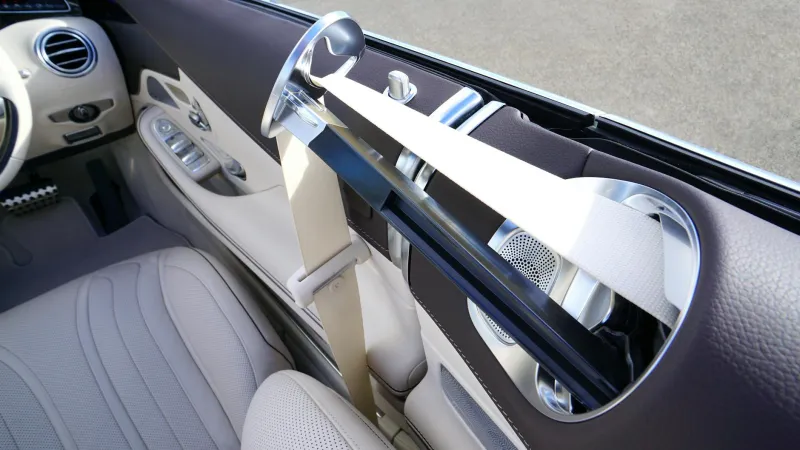
Every time you click your seatbelt, you're using a piece of technology that almost never made it into your car. Not because it didn't work — but because an entire industry spent decades fighting against it.
The Swedish Solution to a Global Problem
In 1958, Nils Bohlin was an aircraft engineer at Saab when Volvo poached him with an unusual assignment: figure out how to keep car passengers from dying in crashes. At the time, cars came with simple lap belts that often caused more injuries than they prevented, crushing ribs and internal organs during impacts.
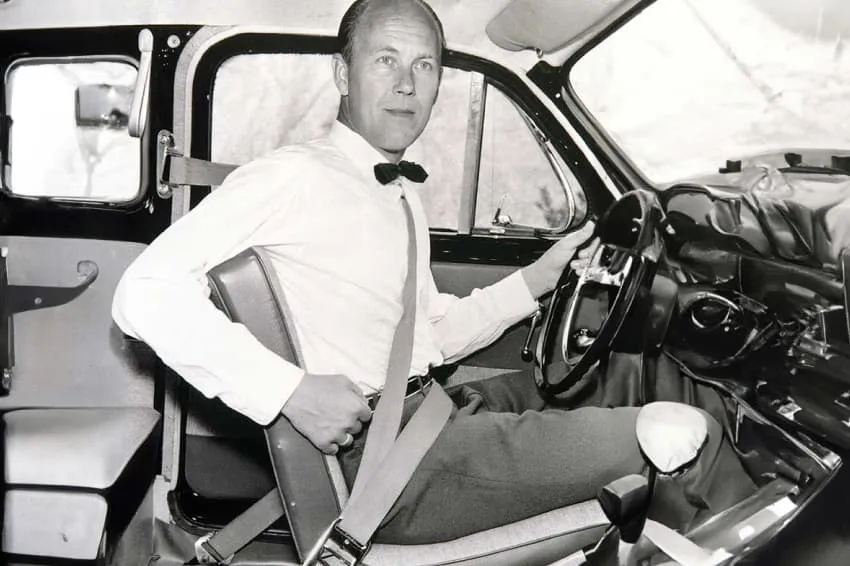 Photo: Nils Bohlin, via blogger.googleusercontent.com
Bohlin's background in aviation gave him a crucial insight. Aircraft had been using harness systems for decades, but cars needed something simpler — something people would actually use every day. Working in Volvo's Gothenburg facility, he sketched out a design that anchored at three points: two at hip level and one at the shoulder.
The three-point seatbelt was elegantly simple. Instead of multiple buckles and straps, it used a single diagonal belt that distributed crash forces across the strongest parts of the human body. Bohlin's design could be fastened with one hand in a single motion — crucial for widespread adoption.
The Patent Giveaway That Changed Everything
Here's where the story takes an unexpected turn. In 1959, Volvo received the patent for Bohlin's three-point seatbelt design. Then the company made a decision that would have seemed insane to most businesses: they gave it away.
Volvo opened the patent to all car manufacturers for free. Their reasoning was straightforward — this wasn't about profit, it was about saving lives. The Swedish automaker calculated that keeping the patent exclusive would delay adoption by competitors, ultimately costing more lives than any potential licensing revenue was worth.
Detroit's Stubborn Resistance
American automakers weren't exactly jumping to implement this free safety technology. General Motors, Ford, and Chrysler viewed seatbelts as admissions that their cars weren't safe. Marketing departments worried that emphasizing crash protection would make customers think about accidents — exactly what they didn't want people considering while shopping for cars.
Throughout the 1960s, most American cars still came with simple lap belts or no belts at all. Three-point systems were relegated to expensive optional packages that few customers chose. The industry's attitude was clear: if people wanted safety, they could pay extra for it.
One Lawyer's Crusade Against Detroit
The breakthrough came from an unlikely source: a Wisconsin personal injury lawyer named Harold Johnson. After representing numerous crash victims throughout the 1960s, Johnson became obsessed with automotive safety. He began documenting how three-point seatbelts dramatically reduced injuries in European cars compared to American vehicles.
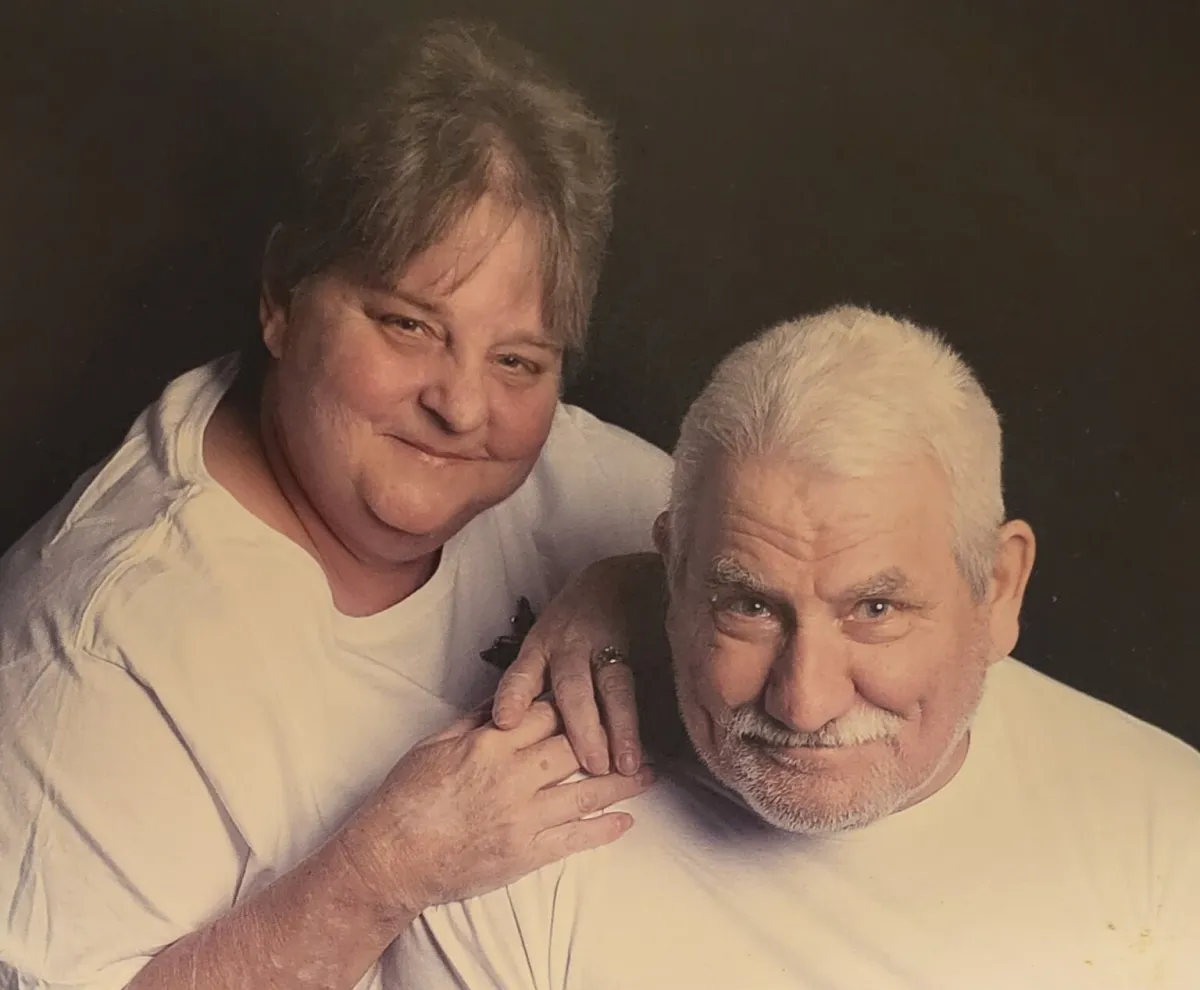 Photo: Harold Johnson, via wpcdn.us-midwest-1.vip.tn-cloud.net
Johnson's legal work caught the attention of federal safety advocates. His detailed case studies provided crucial evidence that helped convince Congress to pass the National Traffic and Motor Vehicle Safety Act in 1966. This legislation gave the federal government authority to set mandatory safety standards for all vehicles sold in America.
The Federal Mandate That Changed American Roads
In 1968, the newly created National Highway Traffic Safety Administration used Johnson's research to mandate that all new cars include lap and shoulder belts in front seats. Automakers had fought this requirement for nearly a decade, but federal law left them no choice.
The mandate expanded gradually. By 1975, all seating positions required seatbelts. Automatic belt systems appeared in some cars during the 1980s before airbags became standard. But Bohlin's basic three-point design remained the foundation of automotive safety.
The Numbers Don't Lie
Today, the National Highway Traffic Safety Administration estimates that seatbelts have saved over 374,000 lives since 1975. That's more than the entire population of Tulsa, Oklahoma — people who are alive today because a Swedish engineer designed a better buckle and his company gave the patent away.
Bohlin himself lived to see his invention become ubiquitous. He remained at Volvo until retirement, continuing to work on safety innovations. When he died in 2002, obituaries called him "the man who saved a million lives."
The Click That Almost Never Happened
The next time you automatically reach for your seatbelt, remember that this simple action represents one of the most successful safety interventions in human history. It also represents something rarer: a corporation choosing human welfare over patent profits, and a government finally forcing an industry to prioritize lives over marketing concerns.
That familiar click you hear? It's the sound of Swedish engineering, corporate altruism, and federal regulation working together to keep you alive — even though the car industry fought against it every step of the way.