The Train Signal That Accidentally Saved American Streets
The Chaos Before the Light
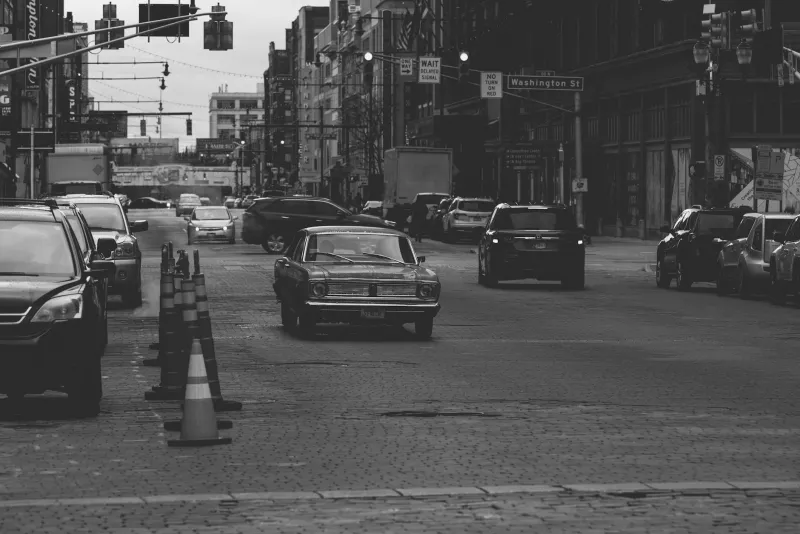
In 1914, downtown Cleveland was a disaster zone. Horses, carriages, early automobiles, and pedestrians competed for the same cramped intersections while overwhelmed police officers frantically waved flags and shouted orders that nobody could hear over the urban din. The city was growing faster than anyone could manage, and the streets were paying the price in blood.
Lester Wire, a Salt Lake City police officer, had watched this same chaos unfold in his own city. But Wire had something most traffic cops didn't: experience working for the railroad. He'd spent years watching how trains navigated complex track systems using simple colored signals, and he couldn't understand why nobody had thought to apply the same logic to street intersections.
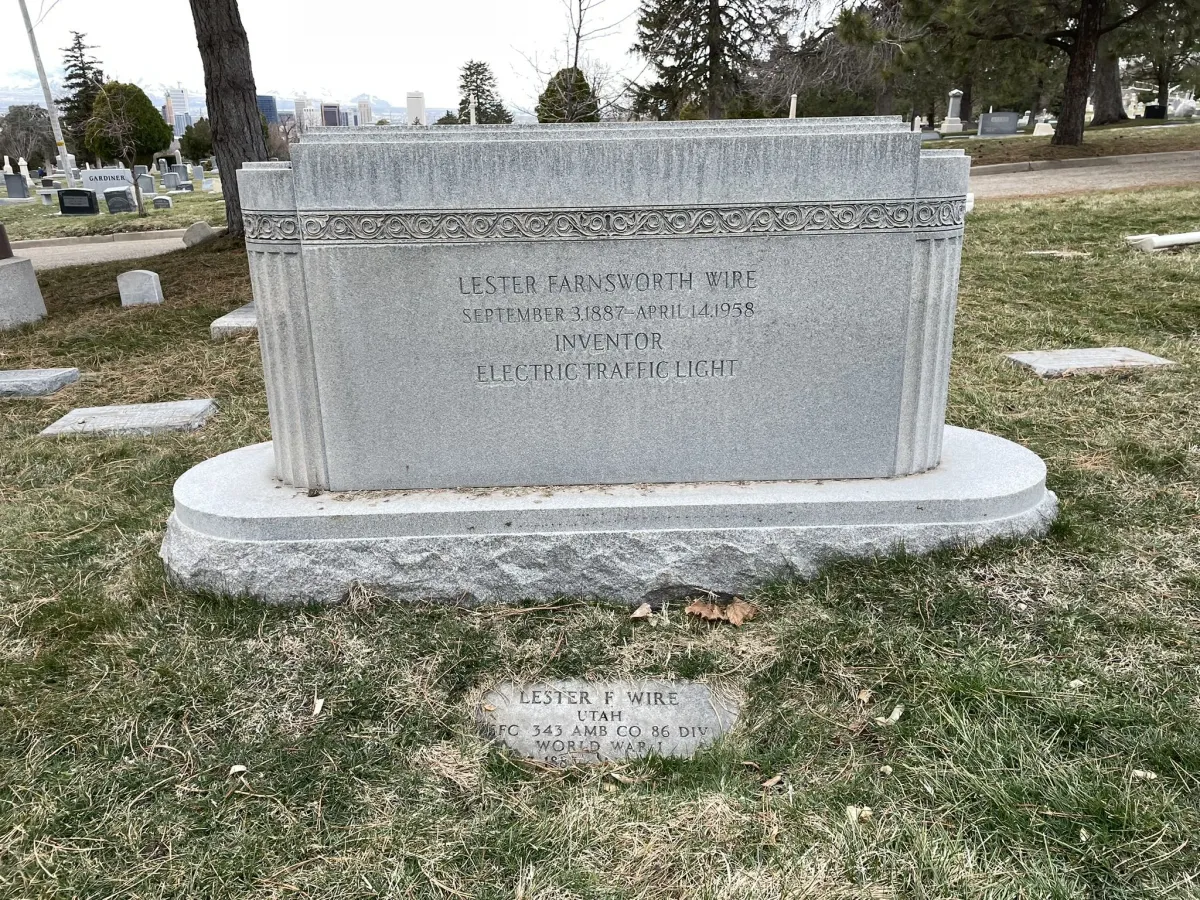 Photo: Lester Wire, via images.findagrave.com
Borrowing From the Tracks
Wire's breakthrough came from recognizing that streets and railroads faced identical problems. Both involved heavy, fast-moving objects that couldn't stop quickly. Both required split-second decisions from operators who might not be able to communicate directly. And both desperately needed a system that could work automatically, without human intervention at every decision point.
In 1912, Wire built the first electric traffic signal by essentially mounting a railroad signal on a pole and pointing it at a street intersection. His design used red and green lights — the same colors railroads had been using for decades to signal "stop" and "go." The system was crude, manually operated, and required a police officer to flip switches, but it worked.
The concept spread quickly through American cities desperate for solutions to their traffic problems. Detroit installed an electric signal system in 1920. New York followed in 1922. But these early signals were still essentially borrowed railroad technology, and they shared the same limitation: only two colors.
The Missing Middle
The problem with two-color signals became obvious quickly. Drivers approaching an intersection had no warning when the light was about to change. Green meant go, red meant stop, but there was no signal for "caution" or "prepare to stop." This created its own chaos as drivers either slammed on their brakes or gunned their engines whenever they saw a signal, unsure of what it would show by the time they reached the intersection.
Garrett Morgan, a Black inventor and entrepreneur from Cleveland, had witnessed a horrific collision at an intersection in his neighborhood. A car had run a red light and collided with a horse-drawn carriage, and Morgan realized the problem wasn't just that drivers ignored signals — it was that the signals themselves were inadequate.
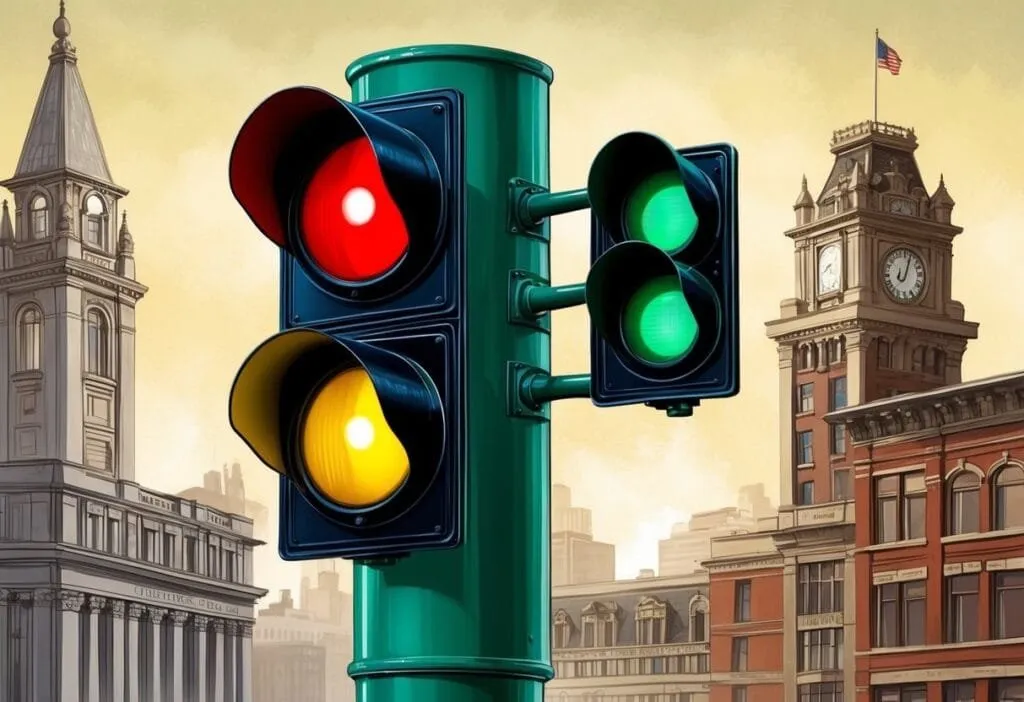 Photo: Garrett Morgan, via suchscience.net
Morgan's solution, patented in 1923, was elegantly simple: add a third position. His traffic signal included a "caution" setting that would display before changing from green to red, giving drivers advance warning to slow down safely. This three-position system — which Morgan called his "automatic traffic signal" — became the template for every traffic light installed in America afterward.
The Accidental Standardization
Morgan sold his patent to General Electric for $40,000, and GE began manufacturing traffic signals based on his three-color design. But the real transformation came from an unexpected source: the federal government's growing involvement in highway planning.
As America began building its interstate system in the 1950s, federal transportation officials realized they needed consistent signal systems that would work the same way in every state. Rather than invent something new, they simply standardized the existing three-color system that had evolved from Morgan's design.
This federal standardization meant that a driver could travel from Maine to California and encounter essentially identical traffic signals at every intersection. The system that had started as one man's attempt to borrow railroad technology for city streets had become the unified language of American traffic control.
The Hidden Railroad DNA
Today, every American driver unconsciously follows rules that were originally designed for locomotives. The red-means-stop, green-means-go logic that feels natural to us is actually a borrowed convention from 19th-century railroads. Even the timing of traffic signals — the way lights are programmed to change in coordinated sequences — reflects railroad scheduling principles adapted for city streets.
Most drivers sitting at a red light have no idea they're participating in a system that began with a police officer who noticed that trains and cars faced the same fundamental problem. The traffic light didn't emerge from urban planning theory or transportation research — it emerged from one person's realization that a solution already existed, just in a different context.
The next time you stop at a traffic light, you're experiencing the result of an accidental technology transfer that happened over a century ago. The signal controlling your commute is essentially a railroad signal that learned to speak to cars instead of trains.