The Carnival Con That Made Americans Obsessed With Brushing Their Teeth
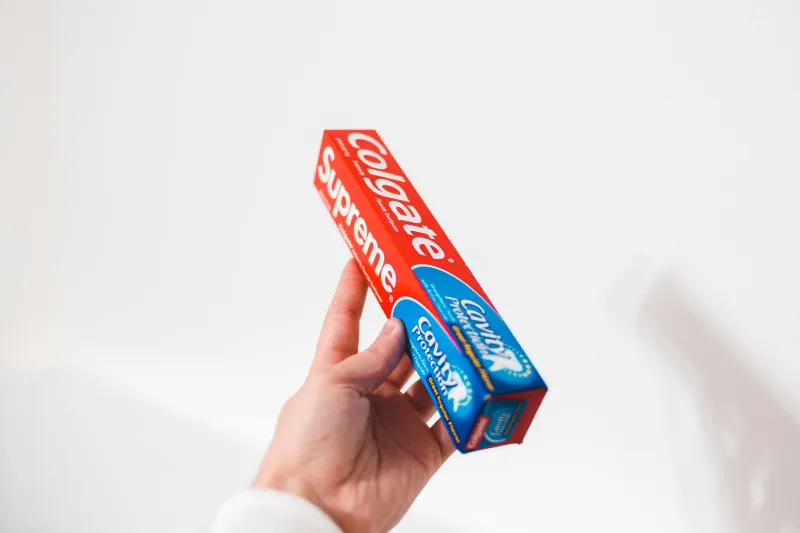
In 1915, the average American's dental hygiene routine was roughly as follows: nothing in particular. Maybe a rag. Maybe some tooth powder on special occasions. Possibly a toothbrush, used irregularly and without much conviction.
This wasn't laziness or ignorance. It was just the norm. Tooth decay was so widespread it was considered an ordinary part of life, something that happened to most people eventually, like gray hair or bad knees. Nobody was selling the idea that you could prevent it with a daily ritual. Nobody had thought to try.
Then Claude Hopkins arrived, and everything changed — not because he discovered better dentistry, but because he borrowed a trick from the carnival midway and used it to make Americans feel something they'd never felt before.
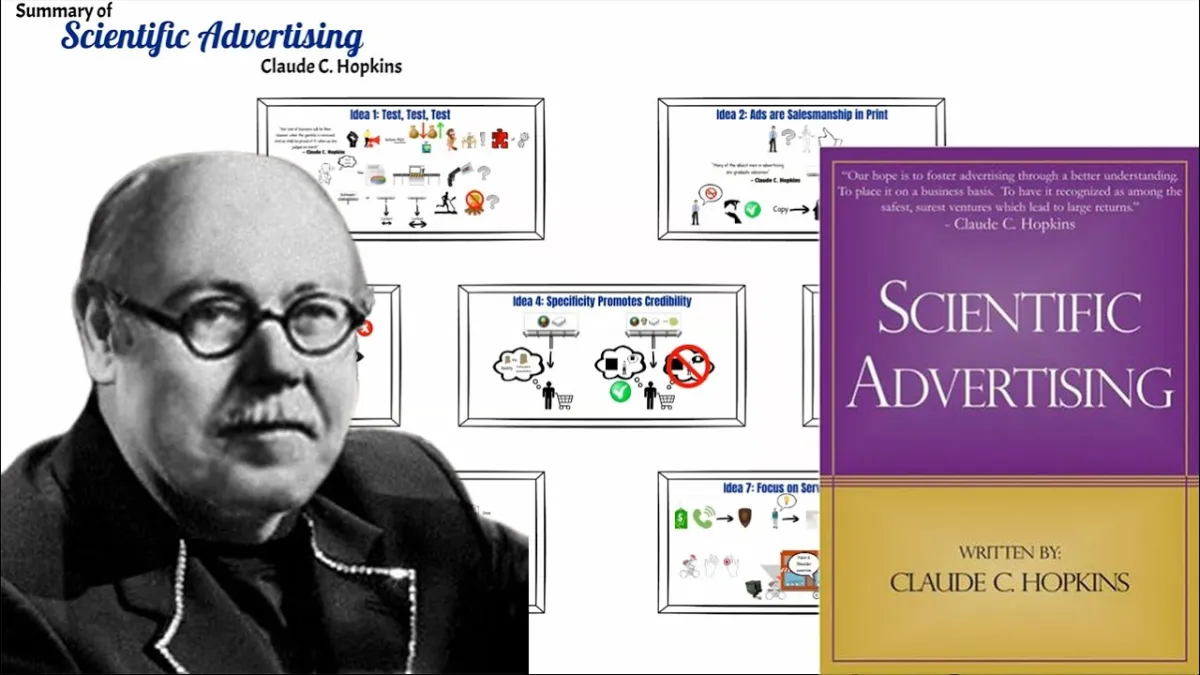 Photo: Claude Hopkins, via i.ytimg.com
The Man Who Sold Sensations
Claude Hopkins was already a legend in advertising by the time he turned his attention to toothpaste. He'd built his reputation on a simple principle: don't sell a product, sell a feeling. More specifically, sell a problem the consumer didn't know they had, then offer your product as the solution.
He'd used this approach to sell beer by describing the steam-cleaning of bottles — a process every brewery used, but which Hopkins dramatized as a unique quality commitment. He'd sold pancake mix by making people feel they were participating in something wholesome and traditional. He understood, before most people in advertising did, that human beings respond more powerfully to anxiety than to aspiration.
When a client brought him Pepsodent toothpaste in 1919, Hopkins did what he always did: he went looking for the problem.
 Photo: Pepsodent, via fmcg-viet.com
The Film Nobody Had Noticed
Hopkins dug into dental literature and found a reference to what scientists called the "mucin plaque" — a thin, naturally occurring film that coats teeth. It's a normal biological phenomenon. It forms constantly, on everyone's teeth, regardless of what they eat or how often they brush. Dentists knew about it. It wasn't considered alarming.
Hopkins saw it differently. He saw a sensation he could weaponize.
He wrote ads telling Americans to run their tongue across their teeth. Feel that film? That cloudy, fuzzy coating? That, Hopkins told them, was the reason their smiles looked dull and their breath was unpleasant. It was a crisis happening in their mouths right now, and they'd never even noticed it.
The genius of this was pure carnival psychology. Hopkins didn't invent the film — it's real, it exists, it's on your teeth as you read this. What he invented was the idea that it was unacceptable. He made people aware of a physical sensation they'd always had but never paid attention to, then immediately attached anxiety to it. He gave them a cue — the fuzzy feeling — and a craving to eliminate it.
Then he told them Pepsodent would do exactly that.
The Habit Loop Before Anyone Called It That
What Hopkins had stumbled onto, without using these terms, was what behavioral researchers would later call the habit loop: a cue that triggers a craving, a routine that satisfies the craving, and a reward that reinforces the behavior. He'd engineered all three components into a single advertisement.
The cue was the film on your teeth — something you could feel with your tongue anytime. The routine was brushing with Pepsodent. The reward was the clean, tingling sensation Pepsodent left behind — a sensation Hopkins had also ensured was unmistakable, because the formula included mint oils and citric acid that created a cooling, slightly sharp feeling that made your mouth feel genuinely different after use.
People didn't just buy Pepsodent. They came back for it, specifically, because the sensation had become the reward their brain was chasing. Within a decade of Hopkins launching his campaign, Pepsodent was one of the best-selling consumer products in the United States. Toothbrushing rates among American adults went from negligible to a genuine national habit in roughly ten years.
 Photo: United States, via images4.alphacoders.com
It was, by any measure, one of the most effective behavior-change campaigns in advertising history — built almost entirely on manufactured anxiety about a sensation that had been there all along.
When the Army Had to Step In
The speed of the shift Hopkins created also exposed how far American dental habits had fallen behind. When the United States entered World War II in 1941 and began processing millions of men through military induction, the dental health crisis among recruits was severe enough to become a logistical problem.
Army physicians found that a significant percentage of incoming soldiers had dental conditions serious enough to affect their fitness for service. Tooth decay, gum disease, and missing teeth were so widespread among young American men that military officials determined they couldn't wait for recruits to develop good habits on their own. Tooth brushing was made a mandatory part of the daily military routine, enforced by officers and built into the structure of basic training.
The irony is thick: Hopkins's campaign had created a generation of Americans who knew they were supposed to brush their teeth, but hadn't yet fully internalized the habit. The military finished the job Hopkins started, drilling the routine into an entire generation of men who then came home and passed the habit to their families.
The Blueprint That Never Went Away
What Hopkins created with Pepsodent wasn't just a toothpaste brand. It was a template that the personal care industry has followed, with remarkable consistency, ever since.
Shampoo ads that talk about "buildup" on your scalp. Mouthwash campaigns built around the concept of "germs you can't see." Skincare products that identify pores, dark spots, and uneven tone as problems requiring urgent correction. Deodorant marketing that turned normal human perspiration into a social catastrophe. Each of these campaigns follows the same structure Hopkins built in 1919: identify a physical reality the consumer can be made to notice, attach anxiety to it, offer the product as relief.
The carnival barker's trick — make them feel it, then sell them the cure — turned out to be the foundation of the entire American personal hygiene market.
Your toothbrush is in the bathroom because a man who sold beer and pancake mix decided a century ago that you needed to feel bad about your teeth. And it worked so well that the United States Army eventually had to make it official policy.
Next time you run your tongue across your teeth, you'll know exactly whose idea that was.