From Battlefield Bedding to Living Room Luxury: How War Surplus Convinced America to Hide Their Hardwood
The Warehouse Full of Unwanted Felt
In 1945, the U.S. military faced an unusual problem: mountains of industrial felt originally destined for tank insulation and aircraft components were gathering dust in warehouses across the country. The war was over, but the contracts had already been fulfilled. What do you do with thousands of tons of thick, durable material that nobody seemed to want?
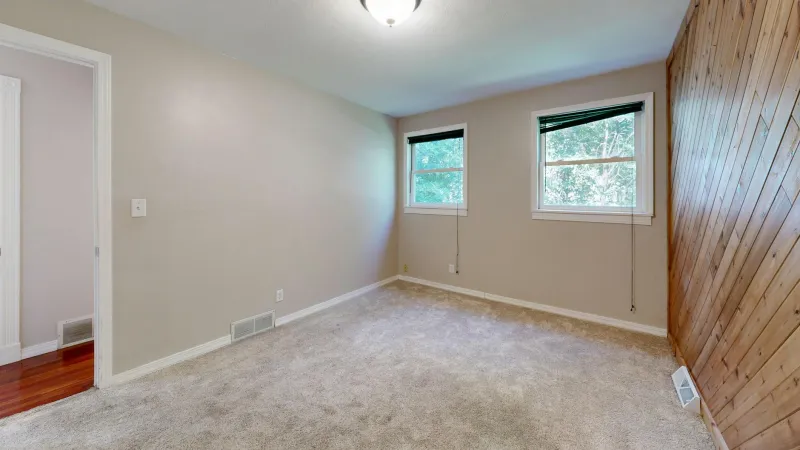
Most Americans in 1945 lived with bare hardwood floors, maybe softened by a few scattered rugs. Wall-to-wall carpeting was virtually unknown outside of wealthy estates and fancy hotels. The average suburban home featured beautiful oak or maple floors that families took pride in maintaining and polishing.
Then Edwin Land — not the Polaroid inventor, but a textile manufacturer from Georgia — walked through one of those surplus warehouses and saw opportunity where others saw waste.
The Gamble That Carpeted America
Land's company, Southern Mills, had been producing military textiles throughout the war. When he examined the surplus felt, he realized it had properties that could revolutionize home flooring: it was thick, durable, and could be manufactured in continuous rolls wide enough to cover entire rooms without seams.
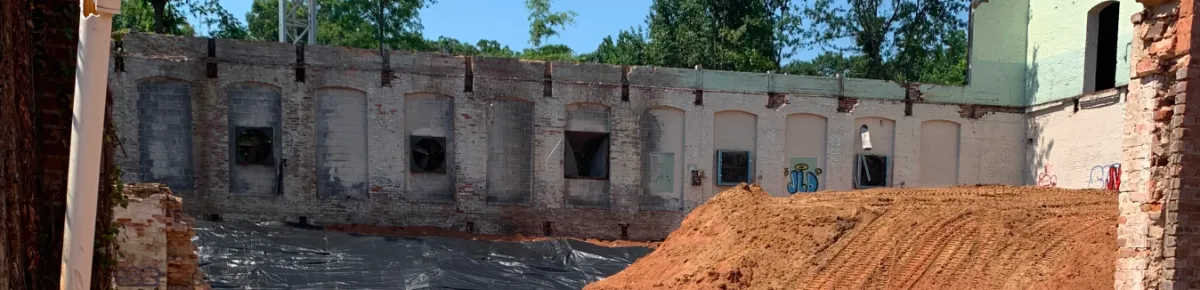 Photo: Southern Mills, via braysiteworks.com
But there was a problem. Americans didn't want wall-to-wall carpet.
Early focus groups in 1946 were disasters. Homeowners worried about hygiene, complained about the inability to clean underneath, and questioned why anyone would want to hide beautiful hardwood. The concept felt foreign, almost European in its excess.
Land's solution was brilliant: he didn't sell carpet. He sold modernity.
Marketing the American Dream, One Room at a Time
The campaign that launched in 1947 positioned wall-to-wall carpeting as the ultimate symbol of postwar prosperity. Advertisements didn't focus on the product itself but on what it represented: a home so successful that practical concerns about cleaning and maintenance were irrelevant.
"The Modern American Home" became shorthand for wall-to-wall carpeting. Magazine spreads showed returning GIs walking across plush carpet in their new suburban homes, their children playing safely on soft surfaces, their wives entertaining guests in rooms that whispered luxury.
The messaging was surgical: carpet wasn't just flooring, it was proof that you'd made it in postwar America.
The Synthetic Revolution
By 1950, the original military felt was long gone, but the carpet industry had found its footing. The introduction of synthetic fibers like nylon and polyester in the early 1950s made wall-to-wall carpeting affordable for middle-class families.
What had started as a creative use for military surplus became a manufacturing juggernaut. Companies like Mohawk Industries and Shaw Floors emerged to meet demand that seemed to grow exponentially each year.
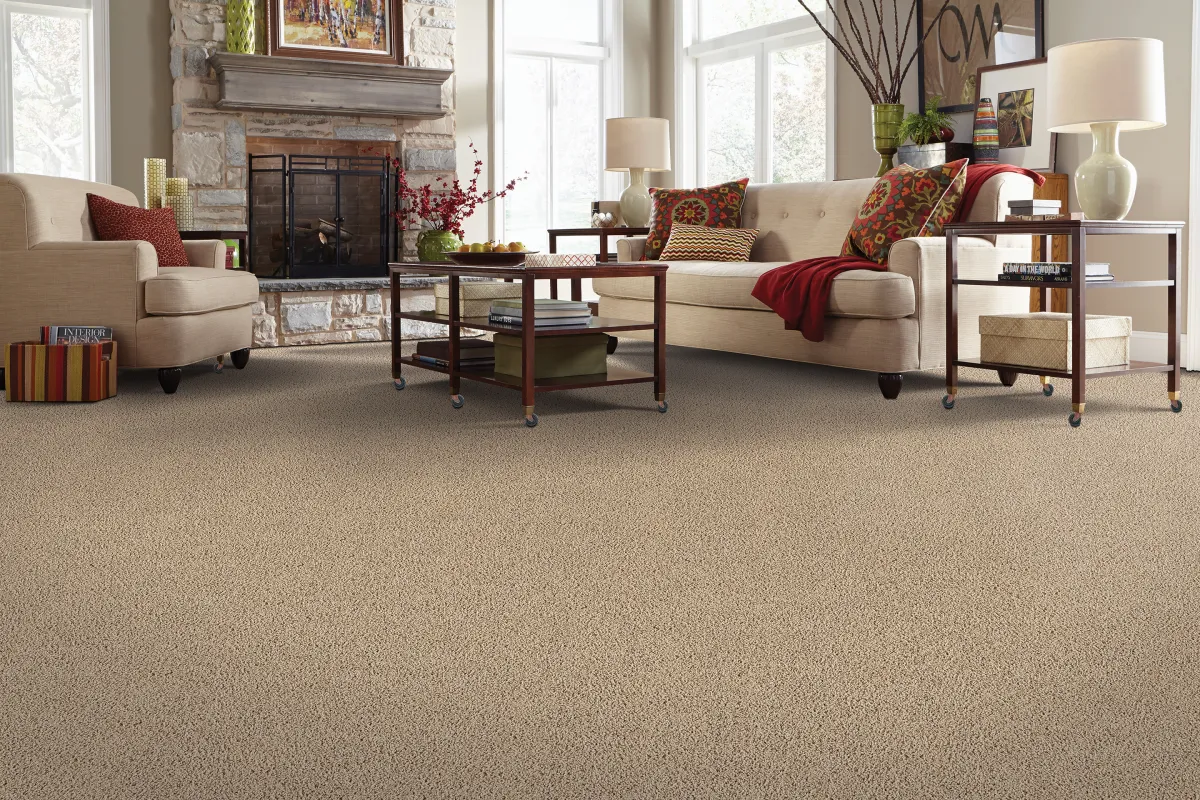 Photo: Mohawk Industries, via content.fortune.com
The numbers tell the story: in 1945, fewer than 5% of American homes had wall-to-wall carpeting. By 1970, that number had jumped to over 60%. By 1980, it was approaching 80%.
The Suburban Standard
Carpeting became so associated with middle-class success that real estate developers began installing it as standard in new construction. The ranch houses and split-levels that defined 1950s and 1960s suburbia were designed around the assumption that floors would be carpeted.
This created a feedback loop: homes were built for carpet, which made carpet feel necessary, which made homes without carpet feel incomplete or outdated.
The social pressure was real. By the 1960s, visiting someone's home with bare floors could feel awkward, like they either couldn't afford carpet or were making an unusual design choice that required explanation.
The Hidden Costs of Comfort
What Land and his competitors had successfully hidden was the practical downside of their revolution. Wall-to-wall carpeting trapped dust, allergens, and odors in ways that hardwood floors never had. It required specialized cleaning equipment that most families didn't own. It wore out and needed replacement every 7-10 years.
But by the time these drawbacks became apparent, carpet had become the default. Multiple generations of Americans grew up assuming that proper homes had carpeted floors. The beautiful hardwood that carpet covered was often forgotten entirely.
The Slow Return to Wood
The carpet empire began to crack in the 1990s, when health concerns about indoor air quality and a renewed appreciation for authentic materials started to shift preferences back toward hardwood and tile.
Today, many American homes are undergoing "carpet removal" projects, with homeowners discovering beautiful original floors that had been hidden for decades. The hardwood that was covered in the 1950s carpet boom is now being restored and celebrated as a premium feature.
The Legacy of a Surplus Solution
Land's gamble with military surplus didn't just create a product category — it rewrote the American definition of a proper home. For nearly half a century, wall-to-wall carpeting was so standard that its absence felt strange.
The story reveals how wartime logistics, creative marketing, and social aspiration can combine to transform the most basic elements of daily life. A warehouse full of unwanted military felt became the foundation for a multi-billion dollar industry that shaped how Americans lived for generations.
Today, as open-concept homes with gleaming hardwood floors dominate design magazines, it's worth remembering that the carpet era wasn't inevitable. It was the result of one manufacturer's creative solution to a post-war surplus problem — and some very persuasive marketing about what the modern American home should look like.