How Civil War Profiteers Convinced America That Dead Bodies Need Makeup
When Death Moved Slowly
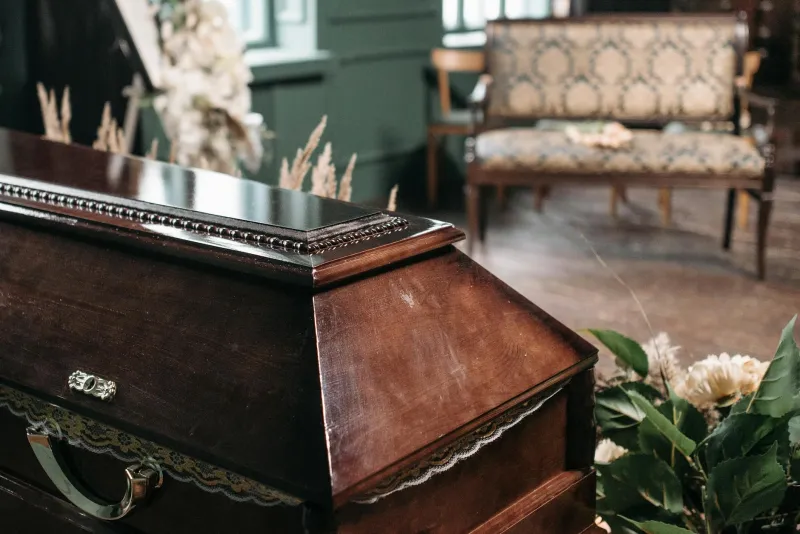
Before the Civil War, American death was swift and simple. Families washed their loved ones at home, held brief viewings, and buried them within 24 to 48 hours. The hot summers and lack of refrigeration made lingering impossible. Open caskets were rare—death was acknowledged, mourned, and laid to rest with practical efficiency.
Then 600,000 soldiers started dying far from home, and everything changed.
The Entrepreneurs of Sorrow
In 1861, a Baltimore undertaker named Thomas Holmes read about the mounting casualties at Bull Run and saw opportunity. Soldiers were dying hundreds of miles from their families, and the Army was burying them in mass graves or shipping them home in sealed coffins that families couldn't open. Holmes had learned embalming techniques from European medical schools, and he realized the war had created the perfect market for his services.
 Photo: Thomas Holmes, via images.pexels.com
Holmes packed his chemicals and followed the Union Army, setting up shop wherever battles were bloodiest. His pitch to grieving families was compelling: for $100—about $3,000 today—he could preserve their son or husband well enough to ship home and hold a proper viewing. Families could say goodbye to faces that looked peaceful, almost sleeping.
Word spread quickly through military camps and newspapers. Within months, Holmes had trained dozens of assistants and was embalming bodies by the hundreds. Other entrepreneurs followed his lead, creating a mobile industry of death that shadowed the Union Army from battlefield to battlefield.
The Presidential Endorsement
The practice got its biggest boost from an unexpected source: Abraham Lincoln himself. When the president's 11-year-old son Willie died of typhoid in 1862, Mary Todd Lincoln was devastated. She insisted on having the boy embalmed so she could visit his body repeatedly before the funeral.
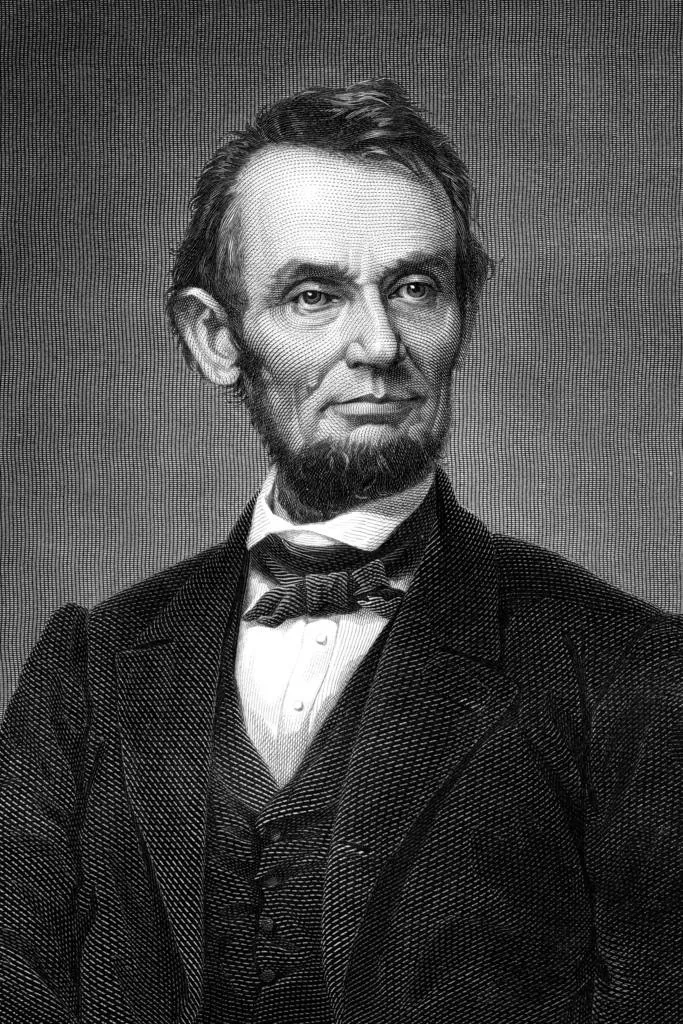 Photo: Abraham Lincoln, via cdn11.bigcommerce.com
Lincoln was initially skeptical, but the results convinced him. Willie looked so lifelike that the president reportedly spent hours sitting with the preserved body. When Lincoln himself was assassinated three years later, his body was embalmed for the elaborate funeral train that carried him from Washington to Springfield—a 1,700-mile journey that took two weeks and allowed millions of Americans to view their fallen president.
The Lincoln funeral became a national template. If embalming was good enough for the Great Emancipator, surely it was appropriate for ordinary Americans too.
From Battlefield to Main Street
After the war, thousands of soldiers-turned-embalmers returned home with new skills and ambitious business plans. They opened funeral parlors in small towns across America, bringing battlefield techniques to civilian death. But they faced a problem: peacetime families weren't shipping bodies across state lines. They needed new reasons to sell embalming services.
The solution was brilliant marketing. Embalmers reframed their service not as preservation for transport, but as a final act of love and respect. They promoted the "memory picture"—the idea that families needed to see their loved ones looking peaceful and beautiful one last time. Embalming became part of proper grief, a way to honor the deceased and provide closure for the living.
Funeral directors also began offering additional services: elaborate caskets, flower arrangements, and professional mourning ceremonies. What had been a simple, family-centered process became an industry built around the idea that proper death required professional intervention.
The American Way of Death
By 1900, embalming had become standard practice in American funerals, even though most other countries continued burying their dead quickly and simply. The transformation was so complete that many Americans forgot it had ever been different. Elaborate funeral displays, professional mourning, and preserved bodies became "traditional" American practices that were actually less than 50 years old.
The numbers tell the story of a cultural revolution. Before the Civil War, undertakers were essentially carpenters who built coffins. By 1920, there were over 24,000 licensed funeral directors in America, and embalming was legally required in most states for any body that would be viewed publicly.
The Billion-Dollar Goodbye
Today, the funeral industry generates over $20 billion annually, and embalming remains standard practice for most American funerals. The average cost of a funeral has risen to over $7,000, much of it for services that didn't exist before a handful of Civil War entrepreneurs decided that death could be profitable.
Visitors from other countries often find American funeral practices puzzling and elaborate. In most of the world, bodies are still buried or cremated quickly, without the extensive preservation, display, and ceremony that Americans consider normal. What we think of as honoring the dead, much of the world sees as an expensive delay of the inevitable.
But the transformation is so complete that most Americans can't imagine death any other way. Every time a family spends thousands of dollars on embalming, caskets, and funeral services, they're participating in a tradition that began with battlefield profiteers who convinced a grieving nation that proper death requires professional help.
Those Civil War embalmers didn't just preserve bodies—they permanently altered how America processes grief, turning a simple human ritual into a complex commercial transaction that most of the world still finds distinctly, puzzlingly American.