How Wartime Rationing Engineered America's Most Nostalgic Lunch
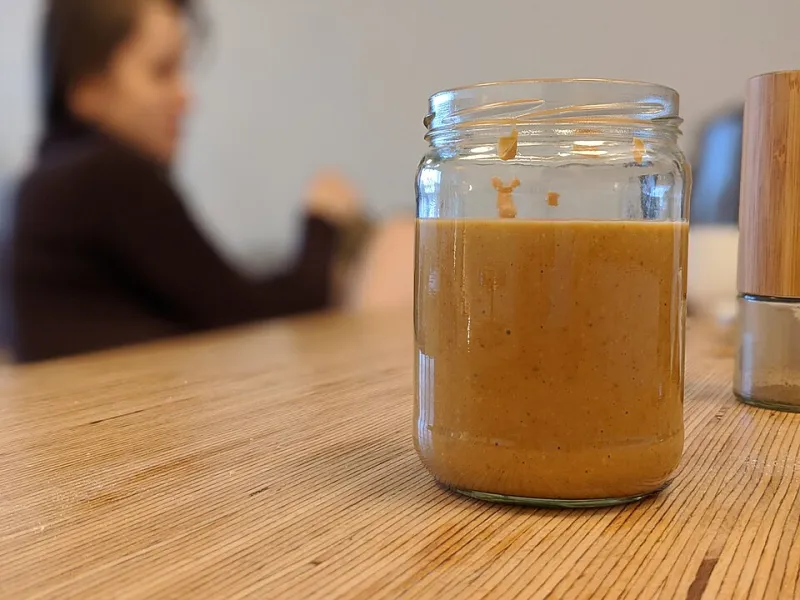
Photo: Shisma, CC BY 4.0, via Wikimedia Commons
How Wartime Rationing Engineered America's Most Nostalgic Lunch
Ask any American to name the most comforting thing they ate as a kid and there's a good chance peanut butter and jelly shows up before the second sentence is finished. It's practically a cultural reflex — the soft bread, the sticky spread, the sweet jam holding everything together. But here's what almost nobody knows: the PB&J didn't emerge from some wholesome American kitchen tradition. It was essentially an accident of wartime logistics, reverse-engineered into nostalgia by a bread company that needed to move product.
Peanut Butter's Long Wait for a Moment
Peanut butter itself is older than most people assume. By the 1890s, patents for peanut paste processes had already been filed — most famously associated with John Harvey Kellogg, the same cereal evangelist who would later reshape American breakfasts. Early versions were marketed as a protein supplement for people who couldn't chew meat properly, which tells you everything about how glamorous the product's first chapter really was.
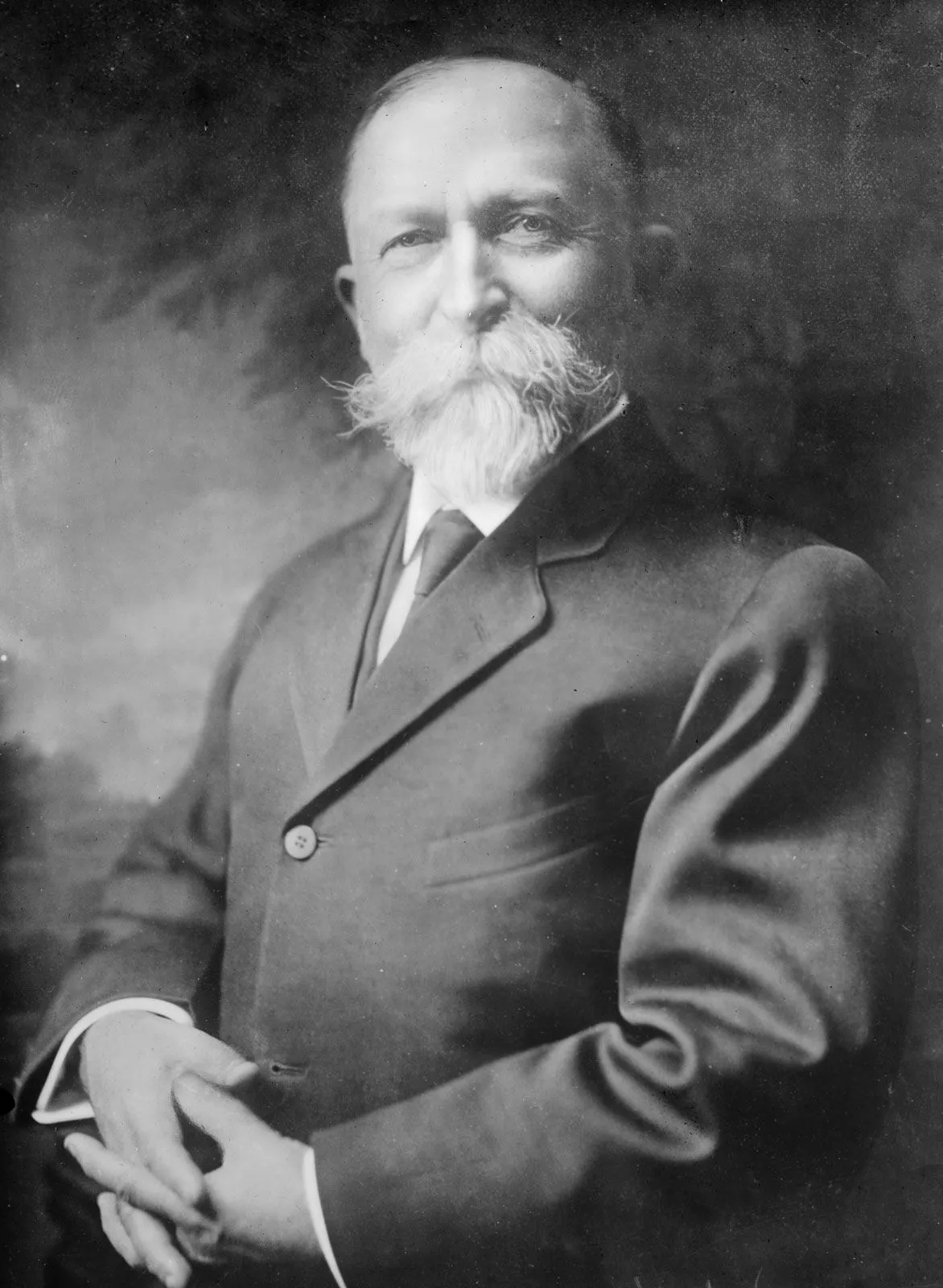 Photo: John Harvey Kellogg, via cdn.britannica.com
For the next several decades, peanut butter existed in an awkward middle space. It showed up in cookbooks. It sat in specialty health stores. A version appeared at the 1904 St. Louis World's Fair. But it never quite cracked the mainstream American household in any meaningful way. The texture was inconsistent, the oil separation was a mess, and most families with access to affordable meat simply had no reason to reach for a jar of ground peanuts.
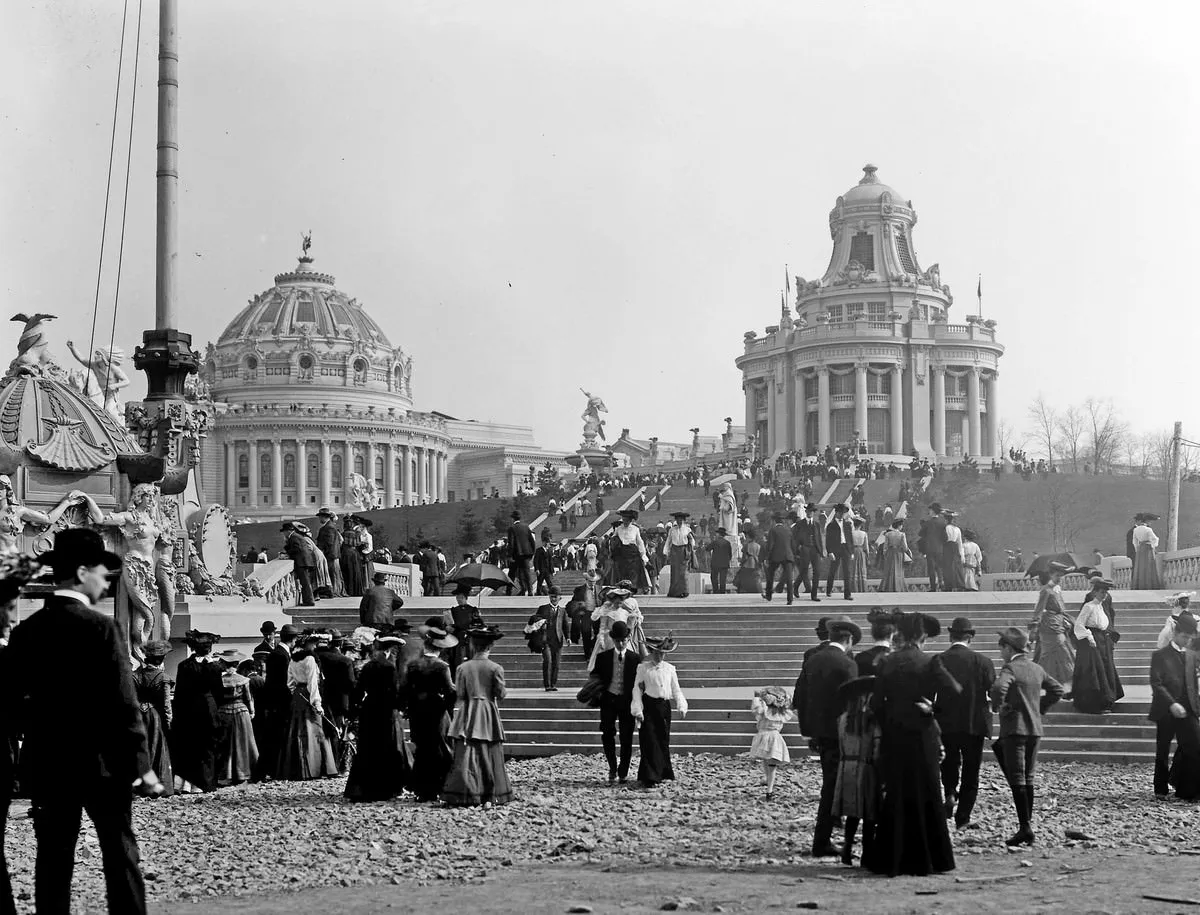 Photo: St. Louis World's Fair, via www.bygonely.com
Then the 1940s arrived, and everything changed — not because peanut butter got better, but because everything else got worse.
The Mess Hall Decision That Rewired a Generation
When the United States entered World War II, feeding millions of deployed soldiers became one of the military's most complex logistical challenges. Meat was expensive, heavy, and difficult to preserve at scale. Peanut butter, on the other hand, was calorie-dense, shelf-stable, and cheap. The U.S. military leaned into it hard, incorporating peanut butter into standard rations and serving it regularly in mess halls across every theater of the war.
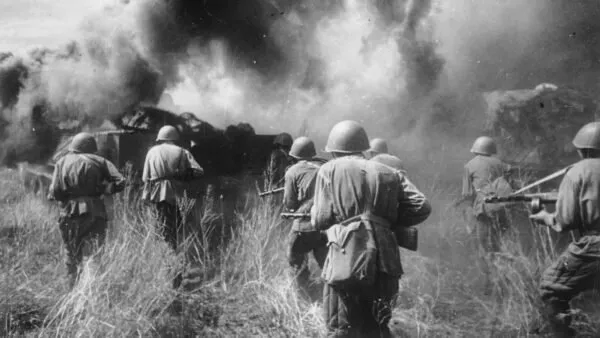 Photo: World War II, via thecconnects.com
At the same time, the rationing system back home was quietly doing the same work on the civilian population. Meat, butter, and sugar were all restricted. Families had to find protein somewhere, and peanut butter — which was not rationed — filled the gap. Grape jelly, similarly, survived the sugar rationing era better than most spreads because it required less refined sugar per jar than other preserves.
Soldiers were eating peanut butter abroad. Their families were eating it at home. And an entire generation of American children was growing up thinking of it as perfectly normal food — not a health supplement, not a wartime substitute, just lunch.
The Bread Company's Calculated Bet
Here's where the story shifts from accident to deliberate engineering. By the late 1940s, sliced bread had already become a staple, and companies like Wonder Bread were looking for ways to deepen their foothold in the American household. They understood something important: peanut butter alone was messy and difficult for kids to manage. It stuck to the roof of your mouth, it was hard to spread evenly, and eating it straight from the jar wasn't exactly a meal.
But paired with jelly on pre-sliced bread? Suddenly you had something a child could assemble themselves. It required no cooking, no refrigeration for the main ingredients, and almost no cleanup. It was fast, filling, and cheap. Bread companies and peanut butter brands began marketing the combination directly to mothers, framing it explicitly as a children's lunch solution. School cafeterias, which were rapidly expanding during the postwar baby boom, picked it up as a reliable, cost-effective staple.
The PB&J didn't become a tradition because it was delicious. It became a tradition because it was convenient at exactly the moment when millions of American households needed convenience most.
From Cafeteria Line to Cultural Icon
By the 1950s, the sandwich had completed its transformation. It was no longer associated with wartime scarcity — it had been fully absorbed into the mythology of American childhood, sitting comfortably alongside baseball cards and Saturday morning cartoons. Brands like Skippy and Jif refined the texture, eliminating the oil separation that had plagued earlier versions, and the market exploded.
Today, Americans consume roughly 700 million pounds of peanut butter every year. The average American child will eat approximately 1,500 peanut butter and jelly sandwiches before graduating from high school, according to industry estimates. It's referenced in movies, memorialized in songs, and treated with a kind of cultural reverence that would have baffled anyone eating it out of a military ration tin in 1943.
The remarkable part isn't that the PB&J became popular. It's that the conditions that created its popularity — war, rationing, mass institutional feeding, and aggressive postwar marketing — have been almost completely erased from the story. What's left is pure sentiment. A sandwich that smells like childhood, tastes like Saturday, and carries absolutely no memory of the supply chain crisis that invented it.
That's the strange alchemy of American food culture. Given enough time, even a wartime workaround can become something you'd swear your grandmother made with love.