When Telling Time Meant Being a Man: How WWI Trenches Turned Jewelry Into Essential Gear

The Accessory Real Men Refused to Wear
In 1914, suggesting that an American man wear a watch on his wrist was roughly equivalent to suggesting he carry a purse. Wristwatches existed, but they were delicate pieces of jewelry marketed exclusively to women. Real men carried pocket watches — substantial, reliable timepieces that projected authority and seriousness.
The social rules were clear and unforgiving. A man with something strapped to his wrist was either European (suspicious), effeminate (unacceptable), or both. American masculinity in the early 1900s had no room for wrist jewelry of any kind.
Then World War I changed everything.
 Photo: World War I, via cdn.britannica.com
When Seconds Meant Survival
The trenches of France created a timing problem that pocket watches couldn't solve. Artillery barrages required split-second coordination. Gas attacks demanded immediate response. Synchronized infantry movements meant the difference between successful advances and wholesale slaughter.
Soldiers quickly discovered that fumbling with a pocket watch while under fire was both impossible and potentially fatal. You needed to see the time instantly, with one hand, while holding a rifle or scrambling through mud.
Field commanders began issuing modified pocket watches with leather straps — crude wristwatch prototypes that prioritized function over appearance. Swiss manufacturers like Omega and Longines started producing purpose-built military timepieces designed to be worn on the wrist.
By 1917, nearly every American soldier in Europe had some form of wrist-mounted timepiece. It wasn't fashion — it was survival equipment.
The Homecoming Problem
When American doughboys returned home in 1918 and 1919, they brought their wristwatches with them. But they also brought a social problem: how do you continue wearing something that civilian society considers feminine?
The initial solution was simple — most veterans just stopped wearing them. Pocket watches resumed their place as the proper masculine timepiece. The wristwatch seemed destined to return to its pre-war status as ladies' jewelry.
But Swiss and American watch manufacturers saw an opportunity too lucrative to abandon. They'd glimpsed a market of millions of potential male customers. The challenge was convincing American men that wristwatches weren't feminine — they were something entirely new.
The Marketing Campaign That Redefined Masculinity
The transformation began with a coordinated campaign across multiple manufacturers in 1920. The strategy was brilliant: completely divorce the wristwatch from its feminine associations by connecting it to military service, modern efficiency, and professional success.
Advertisements featured veterans in business suits checking their wristwatches while closing deals. Headlines proclaimed that "Modern Men Demand Modern Timepieces." The message was clear: pocket watches were old-fashioned relics, while wristwatches represented the future.
Rolex led the charge with advertisements showing their watches surviving extreme conditions — underwater, in extreme heat, during athletic activities. The implication was obvious: these weren't delicate pieces of jewelry, they were precision instruments for serious men.
The Efficiency Revolution
The 1920s obsession with industrial efficiency provided perfect cultural context for the wristwatch revolution. Frederick Taylor's time-and-motion studies were reshaping American business, and the wristwatch became a symbol of the modern, efficient professional.
Businessmen began wearing wristwatches not as fashion statements but as tools of productivity. The ability to check time without breaking stride or interrupting a conversation became associated with executive competence.
By 1925, major corporations were giving engraved wristwatches as retirement gifts — the ultimate symbol that these timepieces had achieved respectability in professional circles.
Hollywood Seals the Deal
The final push came from an unexpected source: movie stars. Leading men like Douglas Fairbanks and Clark Gable began wearing wristwatches in films, cementing their association with adventure, sophistication, and sex appeal.
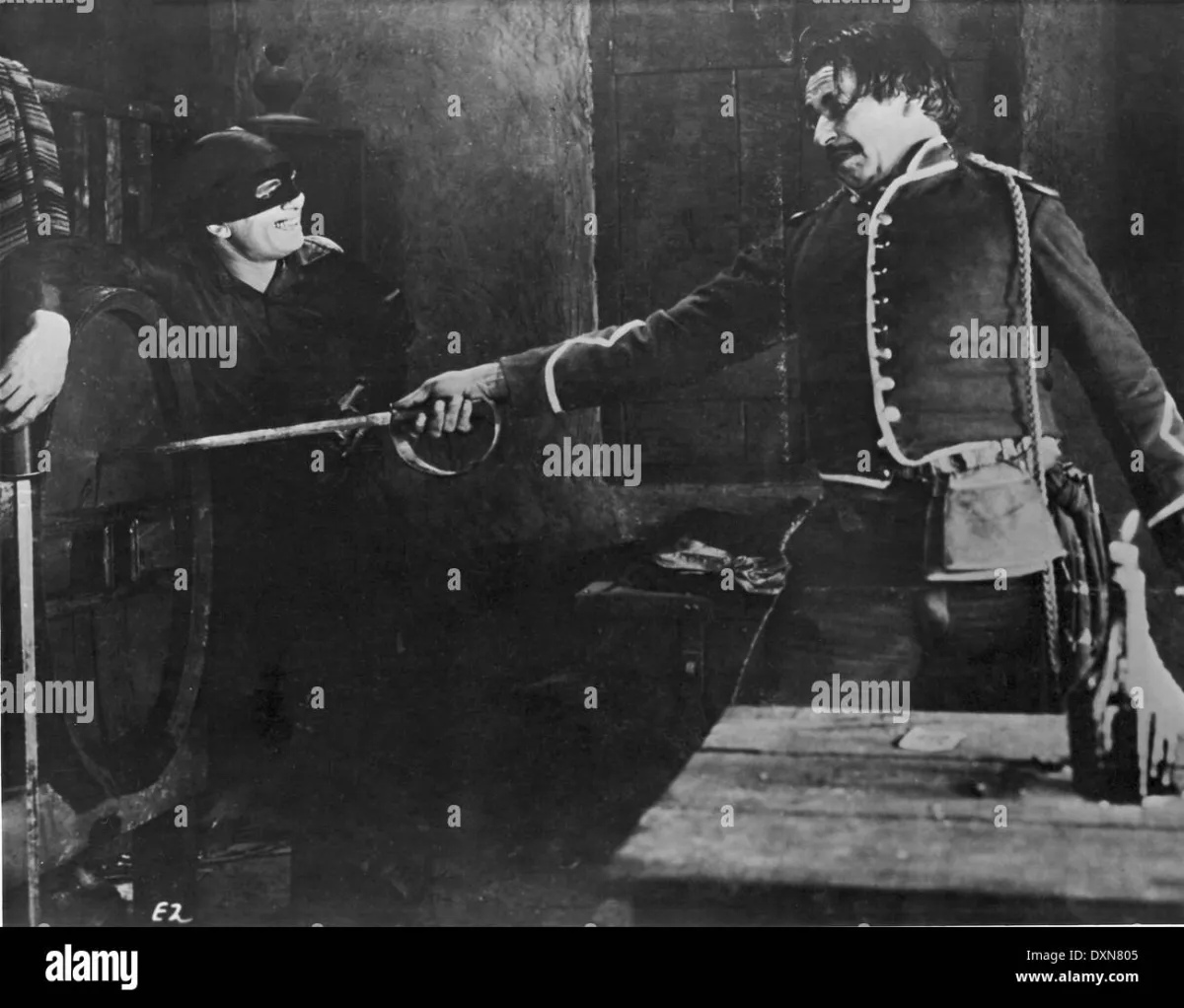 Photo: Douglas Fairbanks, via c8.alamy.com
The transformation was complete when luxury brands like Cartier and Patek Philippe launched men's collections that positioned wristwatches as status symbols rather than mere timepieces. Owning an expensive wristwatch became a way to display wealth and taste.
The Social Contract of Synchronized Time
By 1930, the wristwatch had achieved something remarkable: it became the first piece of jewelry that American men were not just allowed but expected to wear. The social pressure worked in reverse — men without wristwatches began to seem unprofessional or out of touch.
This created a new social contract around time itself. Before wristwatches, being precisely on time was often impossible and rarely expected. With everyone wearing accurate timepieces, punctuality became a moral imperative rather than a practical aspiration.
Business meetings, social gatherings, and daily routines all became more rigidly scheduled. The wristwatch didn't just change how Americans told time — it changed how they related to time itself.
The Unexpected Consequences
The wristwatch revolution had effects that marketers never anticipated. It democratized precision timekeeping in ways that transformed daily life. Workers could coordinate more effectively. Transportation systems became more reliable. Social gatherings operated with military-like precision.
But it also created new anxieties. Being late became more shameful because it seemed more avoidable. The constant awareness of time that wristwatches provided made many people feel rushed and scheduled in ways that pocket watch users never experienced.
From Battlefield to Boardroom
The journey from feminine accessory to masculine essential reveals how dramatically social norms can shift when practical necessity meets clever marketing. The same object that would have marked a man as effeminate in 1914 became a requirement for professional respectability by 1930.
World War I created the practical case for wristwatches, but it was the coordinated marketing campaign of the 1920s that made them socially acceptable. Swiss and American manufacturers didn't just sell timepieces — they sold a new definition of modern masculinity.
Today, as smartwatches repeat this cycle of technological disruption and social adaptation, it's worth remembering that the simple act of strapping a timepiece to your wrist was once a radical departure from accepted gender norms. The wristwatch's victory wasn't inevitable — it was engineered by marketers who understood that changing what men wear requires changing what masculinity means.